













What you pay for on a cool room repair
Most refrigeration companies in Perth say they offer "competitive pricing" and leave it there. That is not much help when your cool room is warming up and you need to know whether to approve a repair or start pricing a new unit. This guide explains what actually goes into the bill, so you can read a quote with some confidence. Our current figures sit in the price list below the article.
A repair bill is made up of four parts:
- Call-out fee. $75 plus GST for coming to site in metro Perth. On many visits the diagnosis, and sometimes a simple fix, happens early in the visit.
- Labour. $180 an hour plus GST on site. Most of the difference between a cheap repair and a dear one is time.
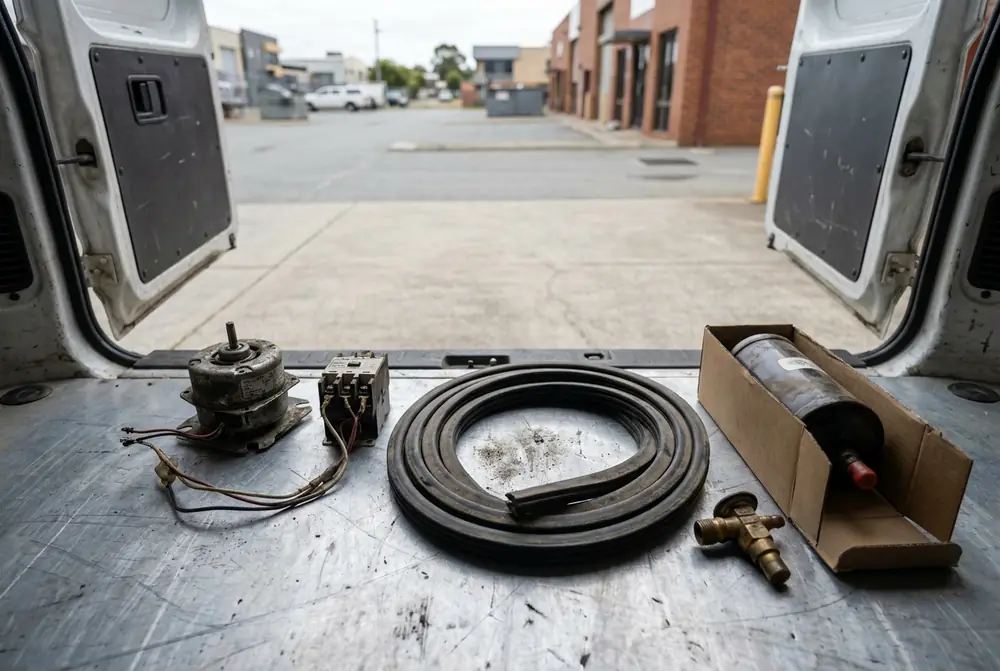
- Parts. Door seals, fan motors, controllers, valves, contactors, compressors. Prices vary a lot by brand and by how easy the part is to get in Perth.
- Refrigerant. Charged per kilogram when a system needs gas. The type of refrigerant matters as much as the amount.
After-hours, weekend and public holiday calls carry a higher call-out rate. Whatever the time, the rule is the same: once the fault is found, you get a fixed quote and nothing more is done until you approve it.
What makes a repair cheap or expensive
Two cool rooms with the same symptom, say "not getting cold", can cost very different amounts to fix. These are the factors that move the price.
The fault itself
A torn door seal or a seized evaporator fan motor is a small, quick job with an inexpensive part. A failed controller or expansion valve takes longer and the part costs more. A refrigerant leak means finding the leak, repairing it, testing it holds pressure and recharging the system. A failed compressor is the biggest repair most cool rooms will ever need.
The refrigerant type
Many older cool rooms in Perth run on R404A, which is being phased down in Australia because of its global warming impact. As supply tightens, it costs more per kilogram than newer gases. A system that holds a large charge of an expensive refrigerant makes every regas a bigger line item. Our refrigeration regas page explains the process in more detail.
Access to the equipment
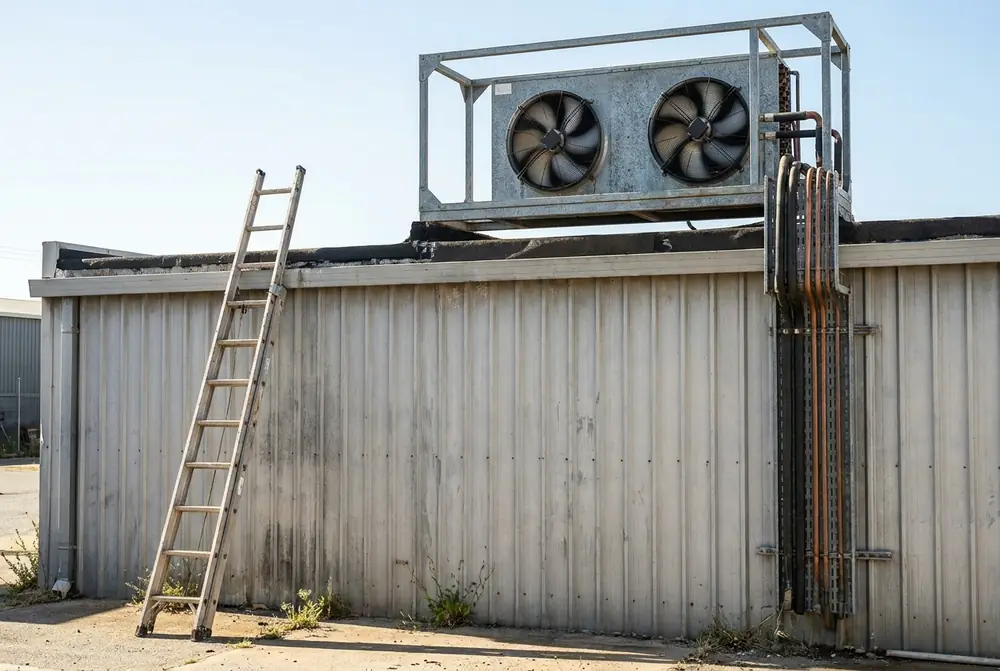
A condensing unit on a wall at ground level is quick to work on. One on a roof, above a ceiling, in a tight plant room or behind a locked neighbouring tenancy adds time, and sometimes needs extra equipment or a second person for safety.
Brand and parts availability
Common brands have parts on the shelf at Perth wholesalers. Older or less common equipment can mean sourcing parts from the eastern states or using a compatible substitute, which adds time and sometimes a second visit.
Age and condition of the system
Older systems tend to have corroded fittings, brittle wiring and seized fixings. A job that takes a short while on a five year old unit can take much longer on one that has been outside in the Perth sun for twenty years.
When the call happens
After-hours work costs more. That said, a weekend call that saves a full room of stock is usually the cheaper outcome overall.
Common repairs from least to most involved
This table lists the repairs we see most often on walk-in cool rooms and freezer rooms, roughly in order of how involved they are. Figures for the most common items are in the price list below.
| Repair | What it involves | What affects the price |
|---|---|---|
| Door seal replacement | Removing the old gasket and fitting a new one so the door closes airtight | Door size, number of doors, whether the seal is a stock profile |
| Door hinge, closer or strip curtain | Adjusting or replacing hardware so the door shuts on its own | Door weight, hardware brand, panel condition around the fixings |
| Evaporator or condenser fan motor | Diagnosing the failed motor and fitting a matching replacement | Motor type and size, access to the coil, parts availability |
| Thermostat, probe or controller | Testing sensors and wiring, replacing and programming the controller | Controller brand, whether it handles defrost and alarms, rewiring needed |
| Defrost fault or iced coil | Clearing ice, finding the cause (heater, timer, drain or fan) and fixing it | Which part failed, freezer or chiller room, access to the coil |
| Leak find and regas | Locating the leak, repairing the joint, pressure testing and recharging | Refrigerant type, size of the charge, where the leak is |
| Expansion valve or solenoid | Recovering refrigerant, replacing the valve, evacuating and recharging | Valve type, refrigerant type and charge, access to pipework |
| Compressor replacement | Recovering gas, swapping the compressor, flushing, new drier, recharge and testing | Compressor size and brand, refrigerant, whether the cause also needs fixing |
If you are not sure which of these you are dealing with, that is normal. The symptom you notice is rarely the part that has failed, which is why diagnosis comes first.
The cost of not fixing it
When a cool room is "a bit warm but still working", it is tempting to wait. Here is what that can cost:
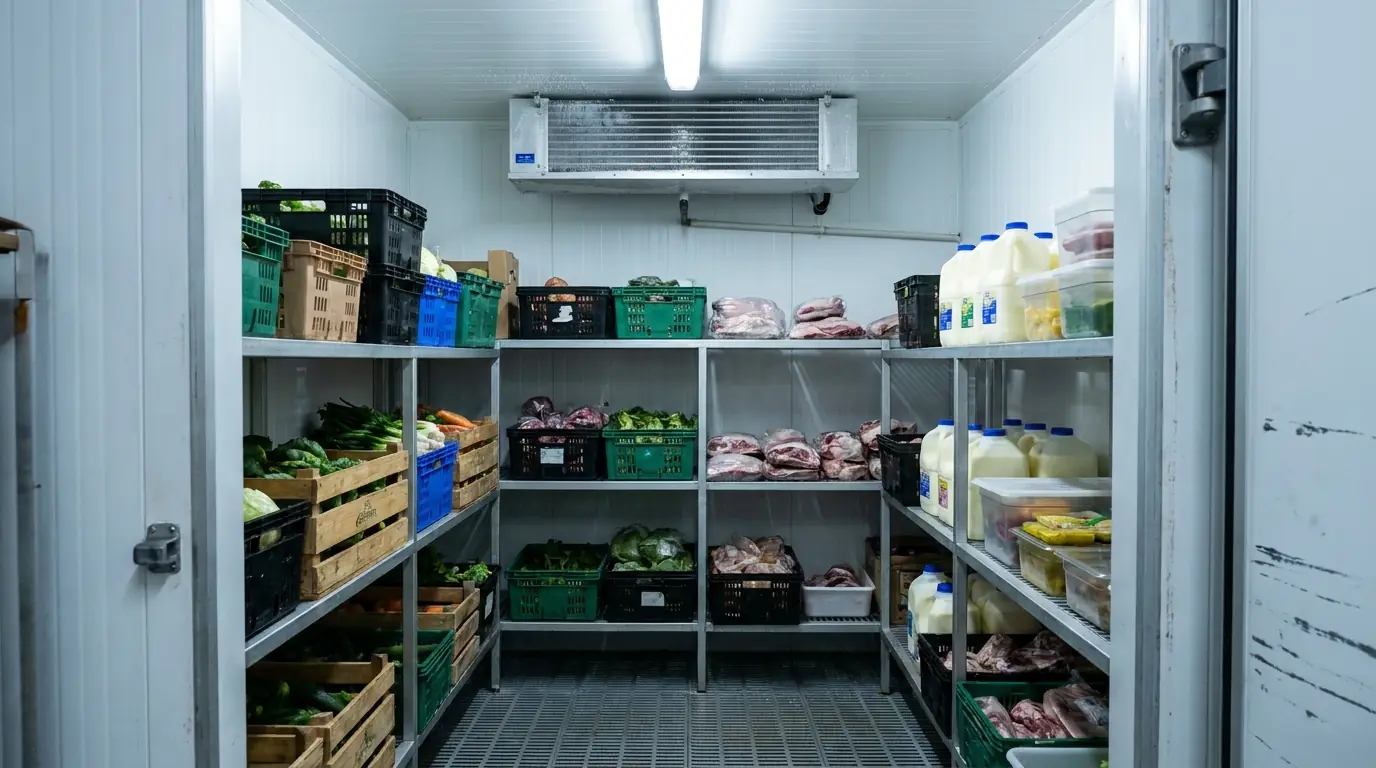
- Stock loss. A full cool room of meat, dairy, produce or flowers is often worth far more than the repair.
- Food safety. Chilled food needs to stay at 5°C or below. A room drifting above that puts you at risk with your local council health inspector and, worse, with customers.
- Higher power bills. A struggling system runs longer to reach temperature, or never gets there and runs constantly. That shows up on your electricity bill every month you leave it.
- Small faults turning into big ones. A bad door seal, dirty condenser or slow leak makes the compressor work harder and hotter. Left long enough, a cheap fix becomes the most expensive repair on the list.
Repair or replace?
Most cool rooms are worth repairing. The insulated panels and door usually outlast several refrigeration units. When the question comes up, it is almost always about the condensing unit and evaporator, not the room. Things to weigh:
- Age. An older unit that has needed several repairs is more likely to keep needing them.
- Refrigerant. If it runs on R404A or an older gas and needs a big regas, the cost of the gas can tip the balance toward a new unit on a lower impact refrigerant.
- Repeat failures. The same fault coming back usually points to a deeper problem such as poor sizing or a worn compressor.
- Efficiency. A modern unit sized correctly for the room can cost noticeably less to run.
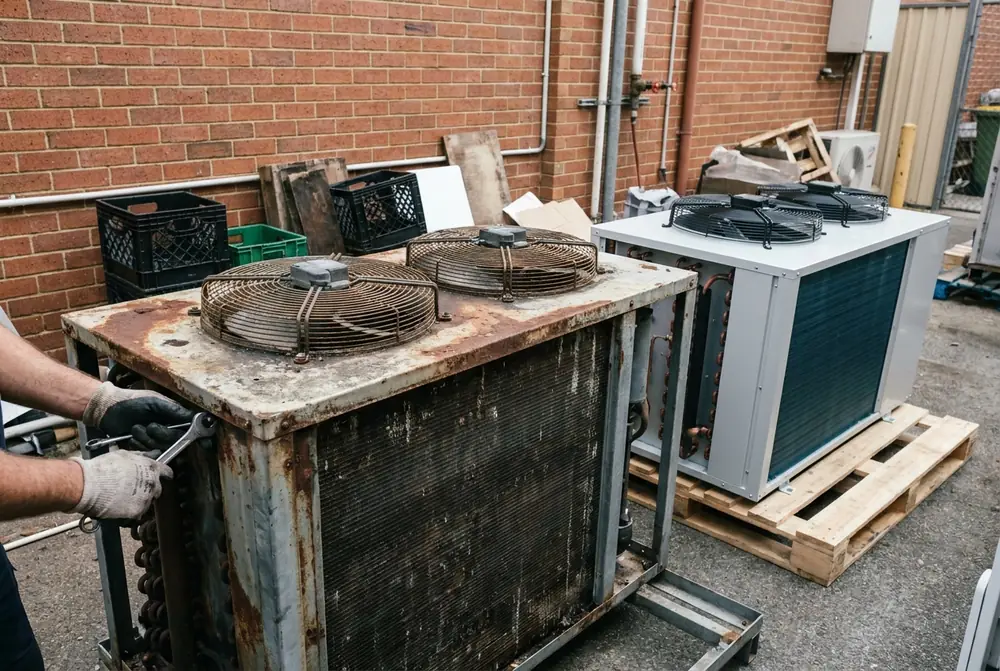
Sam will give you a straight answer on whether he would repair or replace, and why. If replacement makes more sense, see our cool room installation page for new units and complete rooms.
How to keep repair costs down
The cheapest repair is the one you never need. A few habits make a real difference:
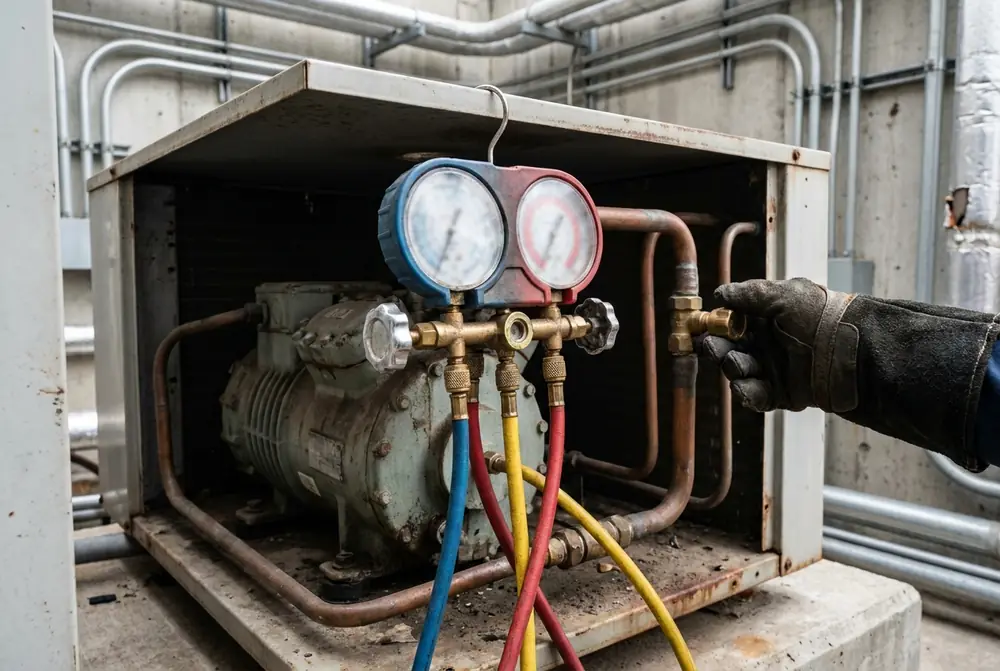 Book scheduled servicing. A regular service finds worn seals, low gas and dirty coils early. Our commercial refrigeration maintenance plans cover this.
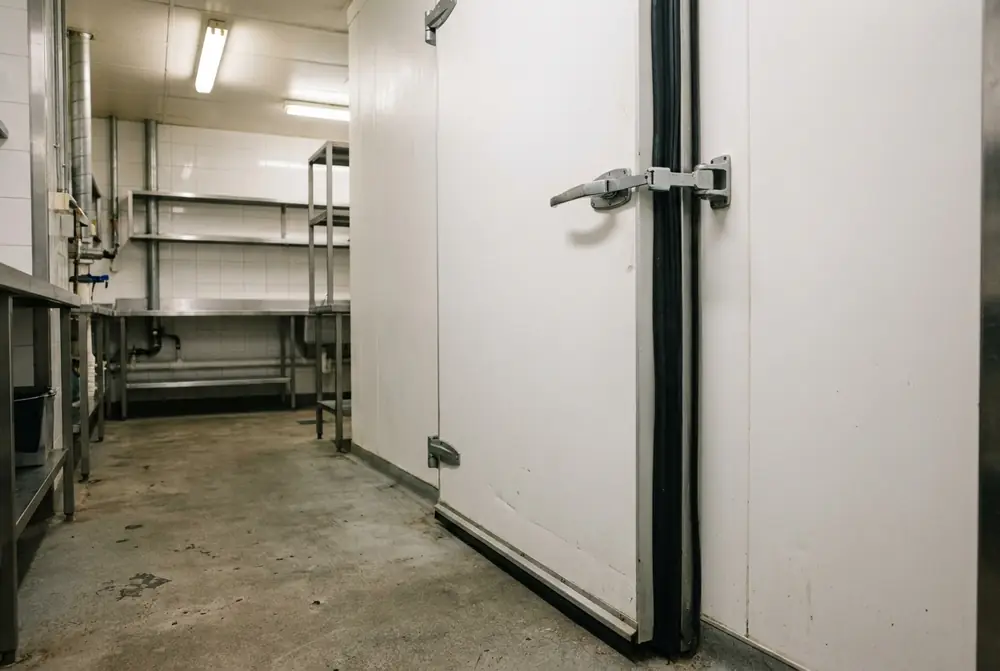 Keep the door shut. Every minute the door is propped open lets in warm, moist air that the system has to remove and that ices up the coil.
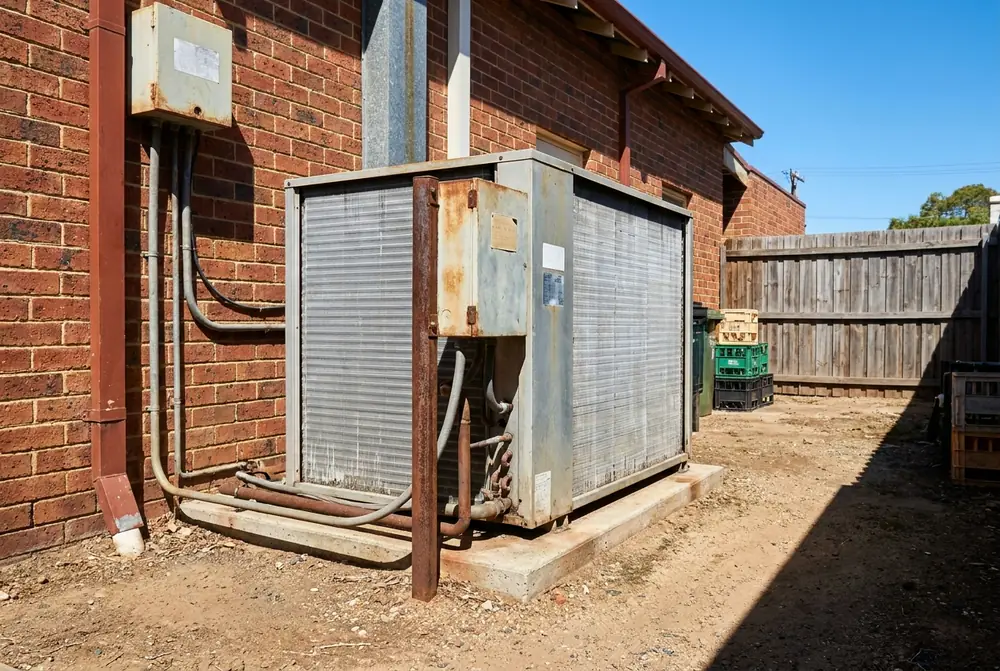 Keep the condenser clear. Leaves, dust, boxes and grease around the outdoor unit make it run hot, especially through a Perth summer.
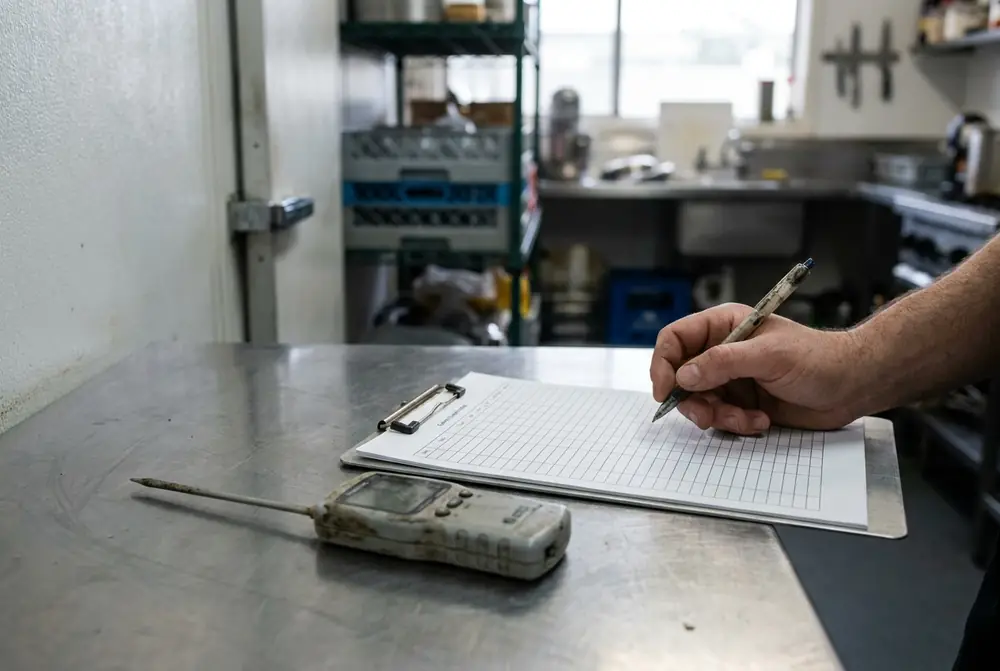 Log temperatures. A daily reading shows a slow drift early, and it gives the technician useful history when something goes wrong.
Also worth knowing: do not stack stock against the evaporator, and call early when you hear new noises or see ice where there was none.
How to get an accurate price
You can get a useful idea of cost before anyone comes out. Call Sam Celesti and describe what is happening: is the room warm, icing up, noisy, tripping power or running constantly? Then send two photos: the compliance plate on the condensing unit, which shows the model and refrigerant, and the controller display, including any error code.
With that, Sam can usually narrow down the likely fault and tell you whether it sounds like a quick fix or a bigger job. On site, he confirms the diagnosis and gives you a fixed quote before any work starts.
Ready to book? See the price list below for our call-out fee and common repairs, or read more about our cool room repairs. Fridge or display cabinet playing up instead? See commercial fridge repairs. If your stock is at risk right now, go straight to emergency refrigeration repairs.