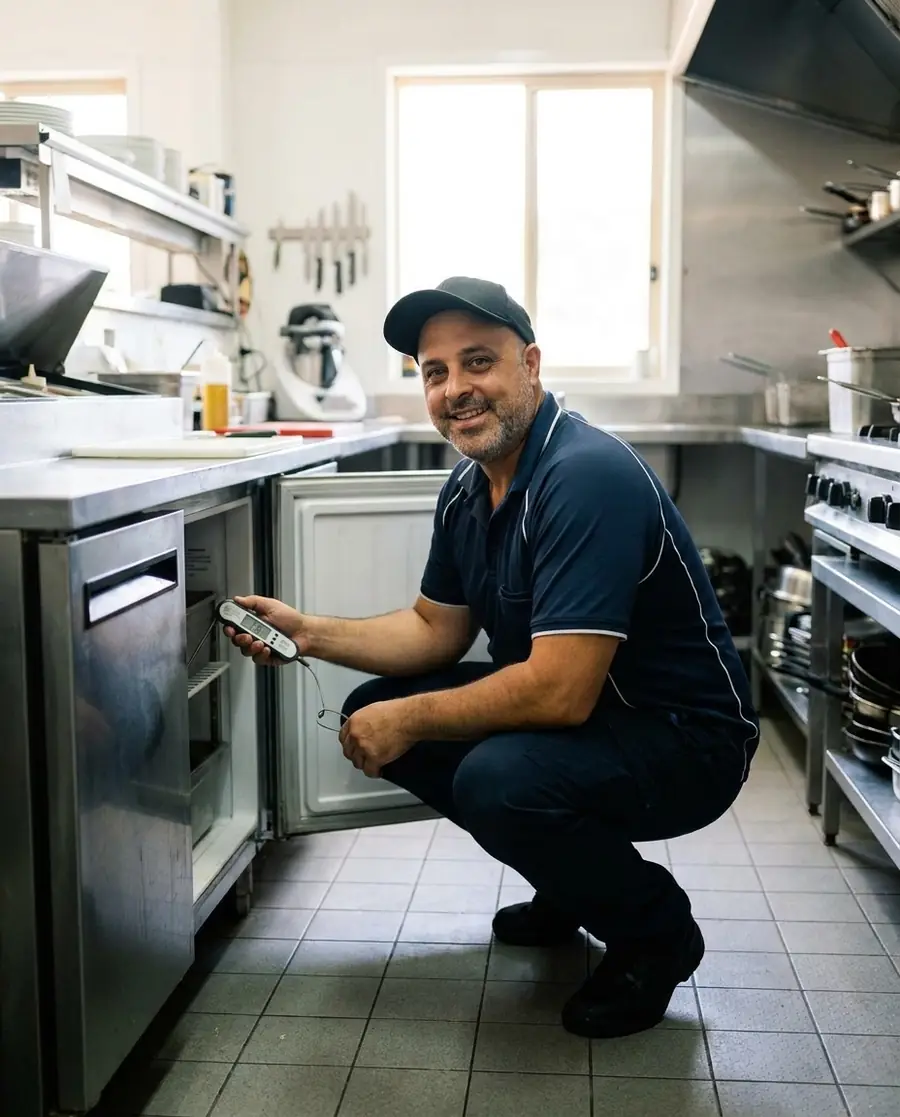














A typical hospitality venue runs far more refrigeration than its owners tend to count. There is the walk-in cool room holding tomorrow's prep, a freezer room or chest freezers, a line of underbench fridges under the pass, a back bar full of bottle fridges and an ice machine that has to keep up on a 38 degree Saturday. When any one of them stops, the menu, the bar list or the whole service is affected.
Sam Celesti has worked in commercial refrigeration in Perth for more than 20 years and is ARCtick licensed (AU55592). Restaurants, cafes, bars, pubs, hotels, clubs and catering kitchens get the same technician on every visit, because the work is done by Sam's own team with no subcontractors. This page explains the equipment we look after, what usually goes wrong in a busy venue and how a callout fits around your trading hours.
Refrigeration a hospitality venue relies on
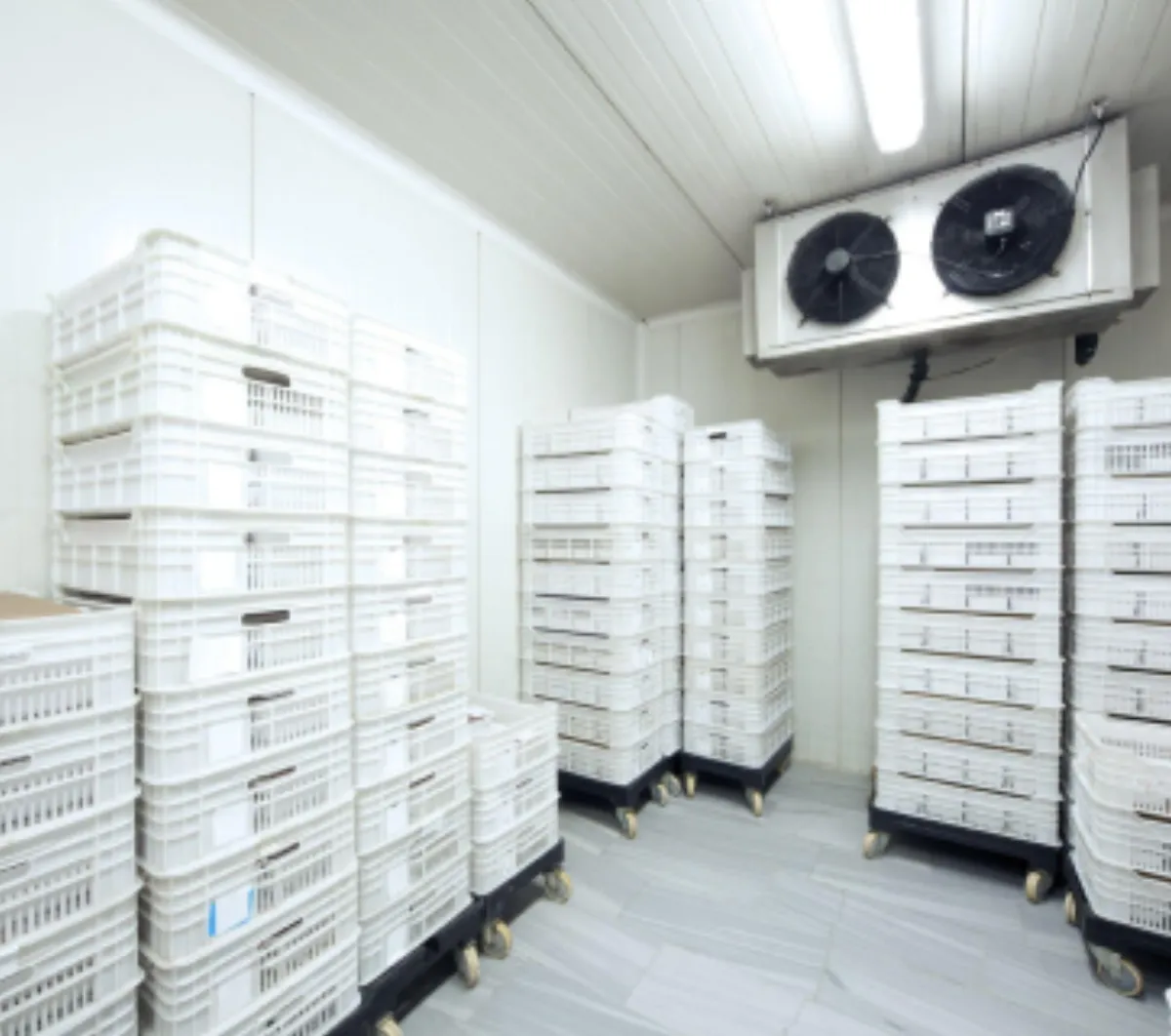
- Walk-in cool rooms and freezer rooms. The heart of most kitchens. We repair condensing units, evaporators, defrost systems, controllers, doors and seals through our walk-in cool room and freezer room repairs service.
- Underbench and prep fridges. Opened hundreds of times a shift and parked next to fryers and grills. Fans, seals, thermostats and condensers take most of the punishment.
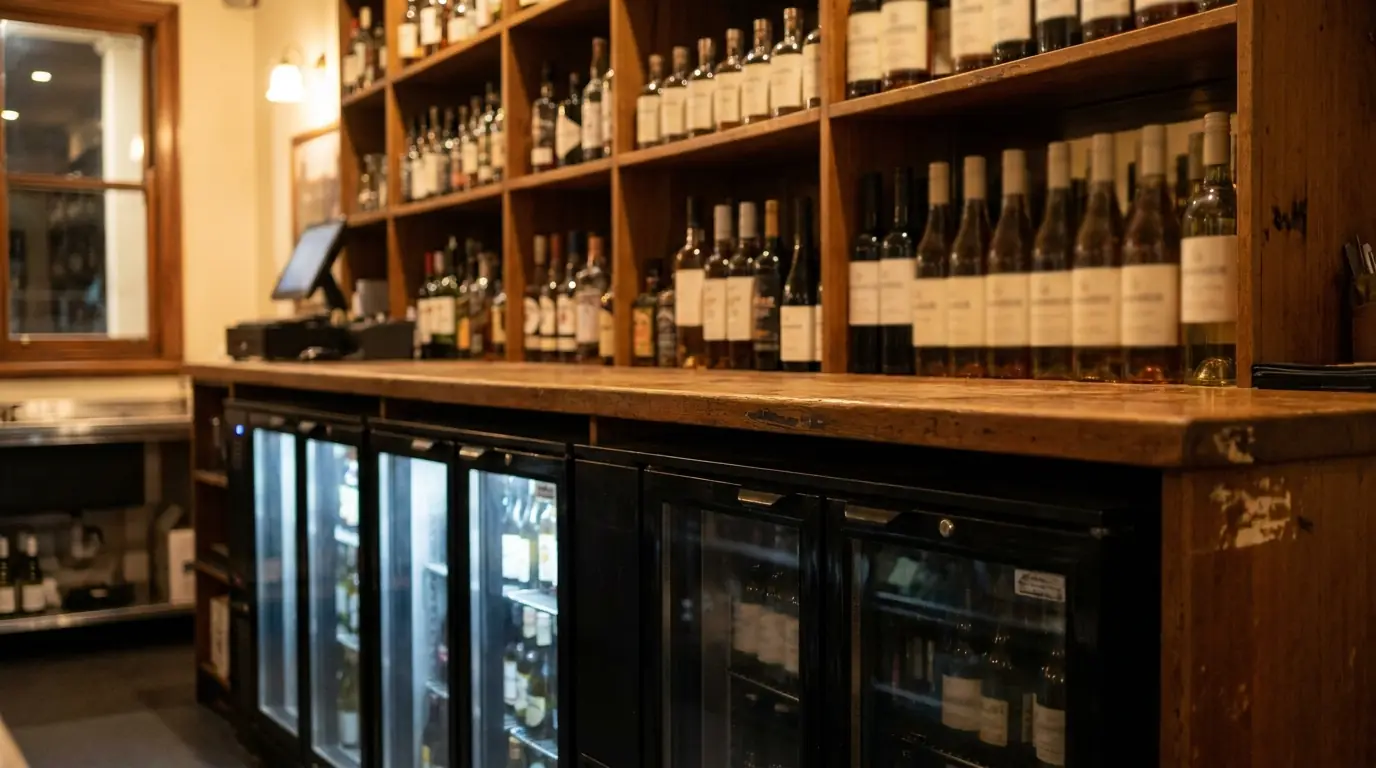
- Bar and back-bar bottle fridges. Glass door units built into joinery, often with very little ventilation behind them, which makes condenser heat a common cause of warm drinks.
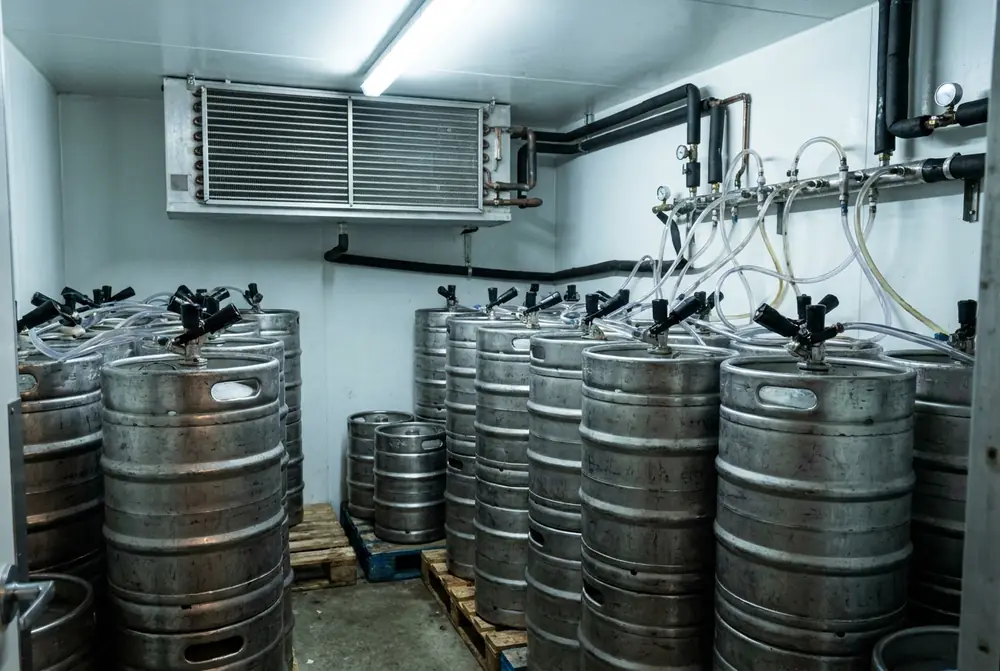
- Keg rooms and beer cool rooms. A cool room sized for kegs and cartons. We look after the room's refrigeration so it holds the temperature you have chosen for your stock.
- Ice machines. Bars, hotels and function venues go through ice fast. Scale, filters and water supply faults are covered by our ice machine repairs service.
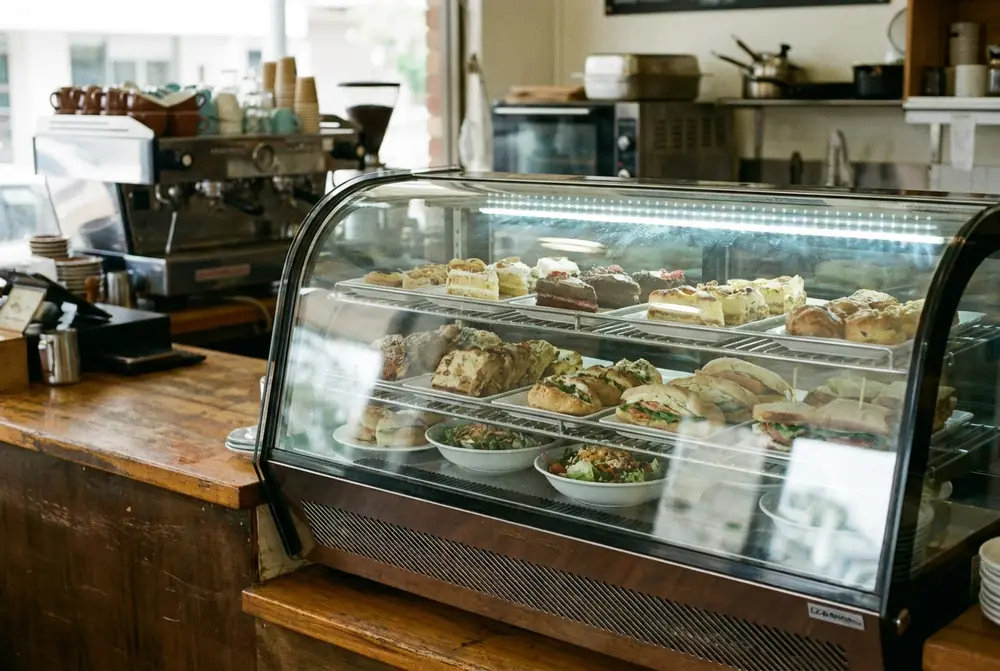
- Display and upright fridges. Cake cabinets, grab and go fridges and upright storage fridges in cafes and hotel kitchens.
Which venues run what
No two venues are set up the same way, but the mix of cold storage follows a pattern. Use this table to see what we would usually expect to find on a first visit, and which unit tends to cause the most disruption when it stops.
| Venue type | Refrigeration it usually runs | What a breakdown hits hardest |
|---|---|---|
| Restaurant | Walk-in cool room, freezer room or chest freezers, underbench fridges along the line, upright prep fridges | Prepped sauces, proteins and dairy for the next service |
| Cafe | Display cabinet, underbench fridges, upright milk and drinks fridge, sometimes a small cool room | Milk for coffee and the food in the cabinet |
| Bar or small bar | Back-bar bottle fridges, underbench glass door fridges, ice machine, sometimes a keg room | Cold drinks and ice on a busy night |
| Pub or tavern | Keg room or beer cool room, kitchen cool room, bar fridges, ice machines, freezers | Beer stock and the bistro kitchen at the same time |
| Hotel | Central kitchen cool rooms and freezer rooms, banquet storage, bar fridges, room service fridges, several ice machines | Function and banquet bookings planned weeks ahead |
| Club | Bar fridges, keg room, kitchen cool room, ice machines | Event nights with a full house |
| Catering kitchen | Large cool room and freezer room, upright and bench fridges for packed orders | Large orders already prepared for delivery |
Common faults in kitchen and bar refrigeration
Hospitality equipment fails for reasons you rarely see in an office tea room. Heat, grease, constant door openings and cramped plant spaces wear things out faster. These are the patterns we see most often in Perth venues:
- Greasy, clogged condensers in the kitchen. Airborne grease sticks to condenser fins and traps dust, so the fridge runs longer and warmer until something trips. Underbench units next to the cooking line suffer most.
- Bar fridges cooking inside their cabinets. A back-bar unit boxed in by timber has nowhere to dump its heat. Fans fail, compressors overheat and the drinks never get properly cold.
- Split or flattened door gaskets. A seal that leaks on a fridge opened every few seconds lets warm, humid air in, which shows up as ice on the coil, condensation and a fridge that never stops running.
- Keg room doors left open. Deliveries and keg changes keep the door ajar for long stretches. The room warms, the coil ices and the unit struggles to catch up.
- Scaled or blocked ice machines. Hard water leaves mineral build up inside the machine that slows ice production and can stop the harvest cycle altogether.
- Overloaded plant areas. Several condensing units squeezed into a rear courtyard or roof space recirculate each other's hot air on a summer afternoon.
For single fridges and freezers, our underbench, prep and bar fridge repairs page covers the faults unit by unit.
Keeping stock safe in the middle of service
A cool room that warms up at 7 pm on a Friday leaves the kitchen making food safety calls under pressure. Food Standards Australia New Zealand guidance makes those calls simpler. Potentially hazardous food, such as meat, seafood, dairy and cooked rice, needs to stay at 5 °C or colder, and frozen food should stay frozen hard.
FSANZ also publishes the 2 hour / 4 hour rule for food that has spent time between 5 °C and 60 °C. Under 2 hours in total, food can be used, sold or put back in the fridge. Between 2 and 4 hours, it can be used or sold but not returned to the fridge for later. Beyond 4 hours, it must be thrown out. The time is cumulative, so minutes spent on the bench during prep count towards the total.
- Probe the food itself. FSANZ recommends a probe thermometer in the thickest part of the product. The air reading on the controller only tells part of the story.
- Log the time and temperatures. Your notes decide which part of the 2 hour / 4 hour rule applies to each item.
- Move high-risk items first. Shift raw proteins, dairy and cooked dishes into working fridges and leave bottled drinks and whole fruit for later.
- Limit door openings. Pick one staff member to pull stock from the failed room so the door stays shut the rest of the time.
For the target ranges that suit different stock, see the cool room temperature guide.
How a callout works around your service times
Venues trade at the hours when most trades have gone home, so a refrigeration callout has to fit the kitchen rather than the other way around.
- You ring. Give us the venue name, the address, which unit has failed and when service starts. A quote request sent through the form gets a call back within 30 minutes.
- We triage by phone. Temperature, controller codes, noises and the brand on the unit help us judge urgency and bring the right parts.
- We agree a time. Stock at risk means an emergency job, and those are prioritised, 7 days a week. A fault that can wait gets booked for a quieter window that suits you.
- Diagnosis and fixed quote. Sam finds the cause, explains it in plain terms and gives you a fixed price before any work.
- Repair and check. After the repair we watch the unit pull back down so you know it is safe to restock before the next service.
Servicing ahead of busy periods
Perth summers, the run into Christmas and big function weekends push hospitality refrigeration harder than any other time of the year. Hot plant areas, full cool rooms and doors that barely close all stack up at once. That makes the weeks before your busiest stretch the best time for a service.
A service cleans condensers and evaporator coils, checks fans, seals, door closers, drains and controller settings, looks at refrigerant pressures and flags worn parts before they fail. Our scheduled refrigeration servicing can cover every unit in the venue on a single visit, and the refrigeration maintenance checklist lists the simple checks your staff can make each week in between.
Hospitality venues across Perth
We look after venues throughout the Perth metropolitan area, from the CBD and Northbridge to Fremantle, the beachside suburbs and the northern and southern suburbs. Groups with more than one venue can ask for every site to be looked after by the same technician. If your venue is outside the metro area, ring and ask, and we will give you a straight answer about whether we can reach you.