













Who looks after Leederville cool rooms
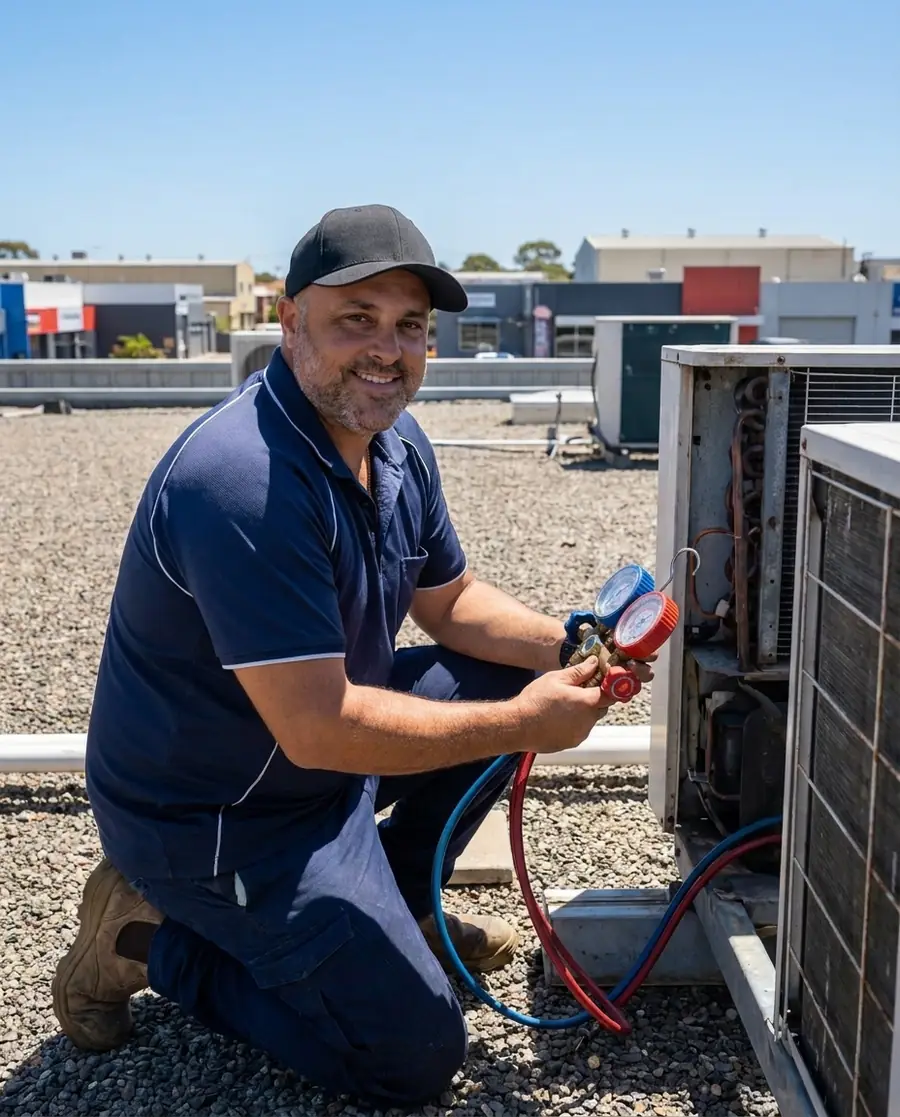
Sam Celesti repairs walk-in cool rooms, freezer rooms and keg rooms for Leederville's cafés, bars, pubs, restaurants and specialty food shops, about 3 km from the Perth CBD. He has spent more than 20 years in commercial refrigeration, holds ARCtick licence AU55592 and turns up to every job himself. There are no subcontractors, and you get a fixed quote before a single screw comes out.
Leederville trades long hours in small spaces. Most of the refrigeration faults Sam sees here trace back to one of those two facts.
One room, two trading days
The local quirk is the split shift. Plenty of venues on and around Oxford Street open early for coffee and breakfast, slow down through the afternoon, then pick up again as a bar or dinner spot. The cool room behind them is opened for milk at 6am and for kegs and garnish near midnight, with deliveries squeezed in between.
That pattern is hard on the evaporator. Each time the door opens, warm and humid air rushes in and the moisture freezes onto the coil. Controllers are usually set up with a handful of defrost cycles timed for a business that closes in the evening. In a venue that never really closes, the defrost either runs in the middle of service, which lets the room warm up when staff are using it most, or it cannot clear the ice fast enough and the coil slowly blocks. The signs are a room that holds fine in the morning but drifts to 7°C or 8°C by late evening, ice building on the fins, and water dripping where it should not.
Sam checks the defrost heaters, the termination sensor and the drain line, then sets the cycles around your real trading hours. Sometimes the fix is as simple as moving a defrost from 8pm to 4pm. Sometimes a heater has failed and the coil has been fighting ice for months.
A door left ajar for a long keg change does more harm than dozens of quick openings. A strip curtain or a door closer is a cheap way to cut the load on a busy room.
Oxford Street and the businesses around it
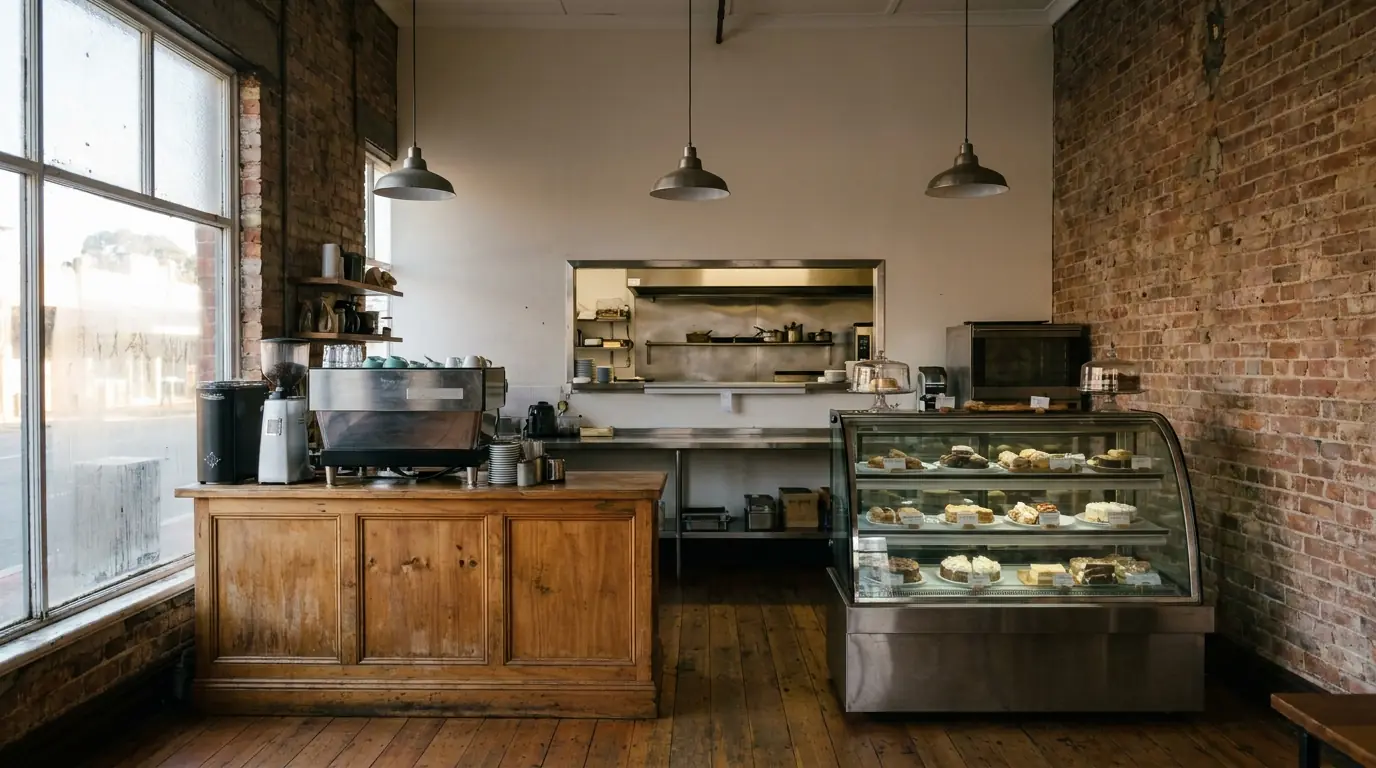
Leederville's food trade sits mostly along Oxford Street and Newcastle Street, with a mix of tenancies:
- Oxford Street cafés: small walk-in rooms or large upright fridges full of milk and dairy, plus glass-front display cabinets for cakes and salads.
- Bars and pubs, including the Leederville Hotel corner: keg rooms, back-bar bottle fridges and ice machines that work hardest on weekend nights.
- Restaurants and takeaways: cool rooms and freezers for meat, seafood and prepped sauces in kitchens with very little storage.
- Around Luna Leederville: pre- and post-film dining, so the evening rush arrives in waves rather than steadily.
Cafés tend to ring when the display cabinet fogs up or the dairy fridge stops holding below 5°C. Bars call about warm keg rooms and slow ice. Restaurants most often report an iced evaporator after a busy weekend. If the fault is in a bottle fridge or prep fridge rather than the walk-in, the commercial fridge repairs page explains what Sam checks, and slow or cloudy ice is covered under ice machine repairs.
Before the van pulls up
- Plan one trip in. Decide what the next few hours of service need, take it out in one go, and keep the room shut after that.
- Look at the coil if it is safe to do so. A solid sheet of ice on the evaporator usually means a defrost problem rather than a gas leak, and telling Sam that on the phone speeds up the diagnosis.
- Write down the temperature and the time. Food safety guidance from FSANZ says potentially hazardous food should stay at 5°C or colder. Food that has spent less than 2 hours between 5°C and 60°C can go back in the fridge, 2 to 4 hours means use it straight away, and 4 hours or more means it goes in the bin.
Keeping a busy room on track
A cool room that runs from dawn to midnight wears faster than one that rests overnight. Regular refrigeration maintenance keeps the coils clear, the door seals tight and the defrost settings matched to the way you trade. Sam also works next door in Subiaco and offers cool room repairs right across Perth.