













Cool room repairs in Nedlands from one licensed technician
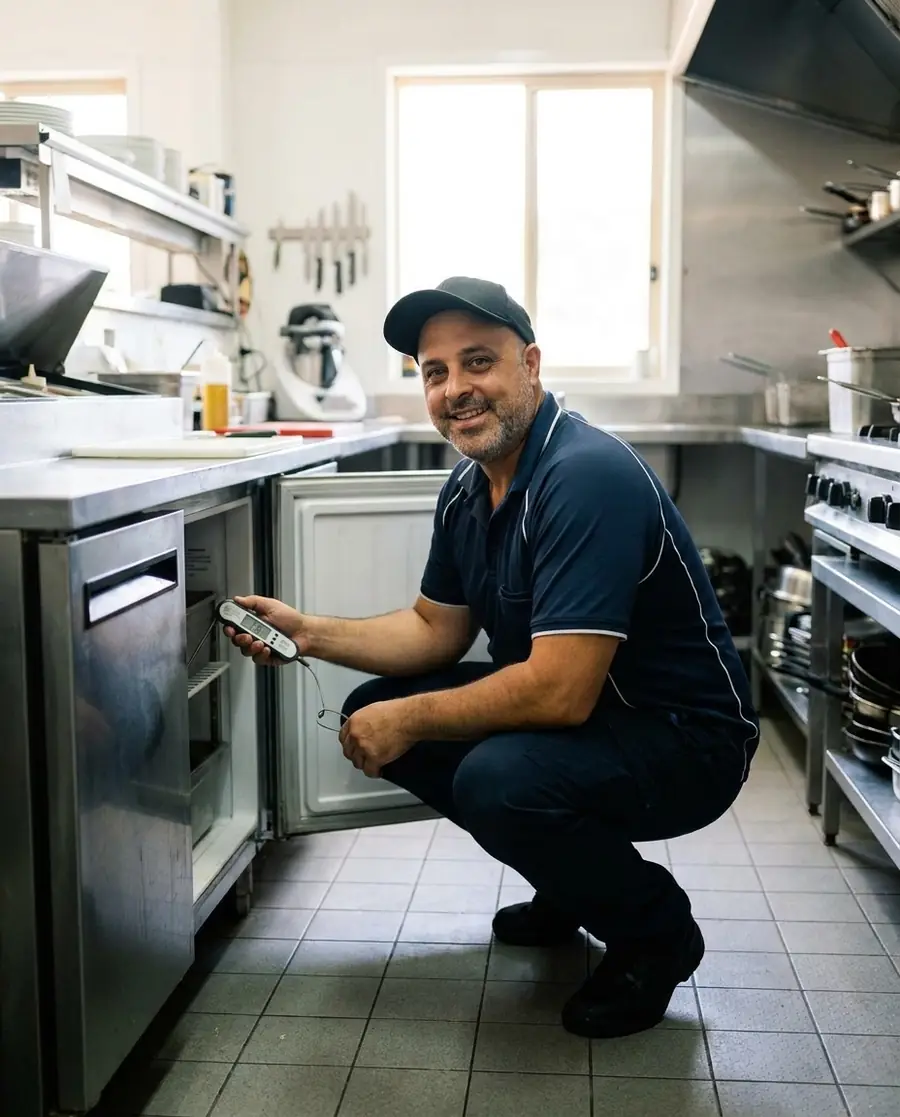
Sam Celesti services cool rooms, freezer rooms and commercial fridges for Nedlands cafés, restaurants, takeaways, grocers and pharmacies, about 6 km from the Perth CBD. He brings more than 20 years in commercial refrigeration and an ARCtick licence (AU55592), and he is the person who answers the phone and does the repair. Every job starts with a fixed quote.
Many Nedlands businesses feed hospital staff, students and visitors who keep coming through the door from early until late. For them, a cool room that is slightly off for weeks can be as costly as one that stops dead.
Small temperature drift and why it matters here
Most cool rooms do not fail all at once. They drift. A probe ages and reads a little low. A condenser coil clogs with dust and the room takes longer to recover after each delivery. A slow leak lets the refrigerant charge drop a few grams at a time. The room still feels cold to staff, the display still shows 4°C, and the food inside is sitting at 6°C or 7°C for part of every afternoon.
That matters anywhere, but it matters more for businesses that serve a hospital crowd or hold food for long hours. Under FSANZ guidance, potentially hazardous food should be kept at 5°C or colder, and the time spent above that adds up across the day. A room that creeps over 5°C for an hour each afternoon is quietly using up that margin.
Sam looks for drift on every visit:
- He checks the controller probe against a calibrated thermometer, not just the number on the screen.
- He reads suction and discharge pressures to spot a low charge before the room warms up.
- He looks at the defrost settings and whether the room recovers properly afterwards.
- He checks that any high temperature alarm actually sounds and reaches someone who will act on it.
If your controller has a min and max memory, write down both readings each morning. A max that edges up week by week is the earliest sign a room needs attention.
What to do until Sam arrives
- Get an independent reading. Put a probe thermometer in a glass of water on a middle shelf. If it disagrees with the controller, the controller may be part of the problem.
- Note when the alarm started. The time the room passed 5°C decides what can be kept: less than 2 hours and it can be refrigerated again, 2 to 4 hours and it needs using now, 4 hours or longer and it must be thrown out.
- Shift the most sensitive stock first. Dairy, cooked meats, salads and anything bound for vulnerable customers should move to a working fridge before drinks or sealed goods.
The QEII precinct, Hampden Road and Broadway
Nedlands' food businesses group into a few distinct areas:
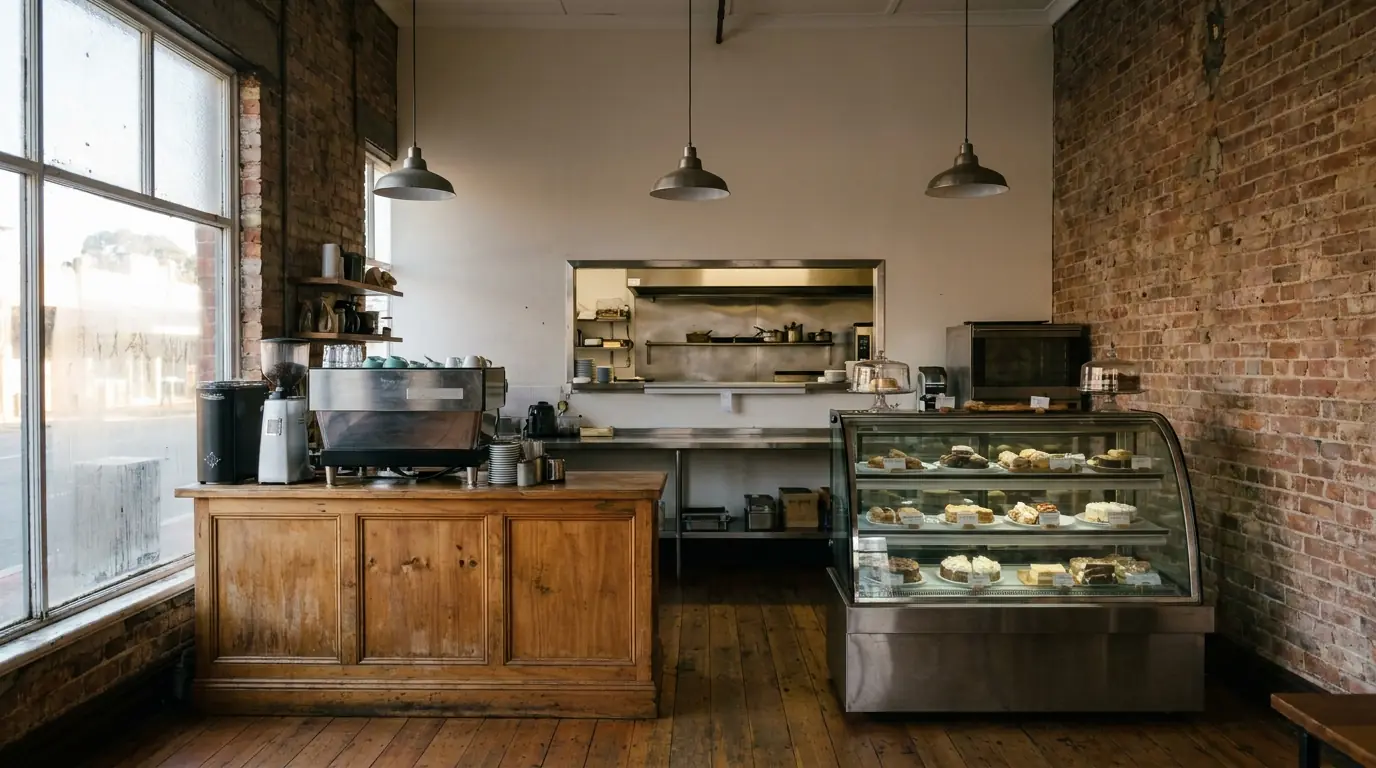
- Around the QEII Medical Centre and Sir Charles Gairdner Hospital: cafés, takeaways and retail pharmacies serving shift workers and visitors, with display fridges, small cool rooms and pharmacy fridges that need to hold steady all day.
- Hampden Road: a dense strip of cafés and casual restaurants, many with compact walk-in rooms and underbench prep fridges.
- Broadway: cafés, takeaways and grocery stores near the university, with drinks fridges, freezers and cool rooms working through long trading days.
- Stirling Highway frontage: restaurants and food retailers with larger kitchens and freezer rooms.
The faults vary with the trade. Shift-work cafés notice a display cabinet that stops holding by mid-afternoon. Pharmacies care about a fridge that cycles too far either side of its set point. Restaurants usually ring about a cool room that will not pull back down after deliveries. For cabinet and underbench units, see commercial fridge repairs.
Preventing the next alarm
Drift is cheapest to fix early. A preventive maintenance visit once or twice a year includes probe checks, coil cleaning and a pressure reading. If a leak is found, Sam repairs it and then handles the refrigerant regas. For other suburbs, Sam offers cool room repairs Perth wide.