













Ice machine repairs for Northbridge venues
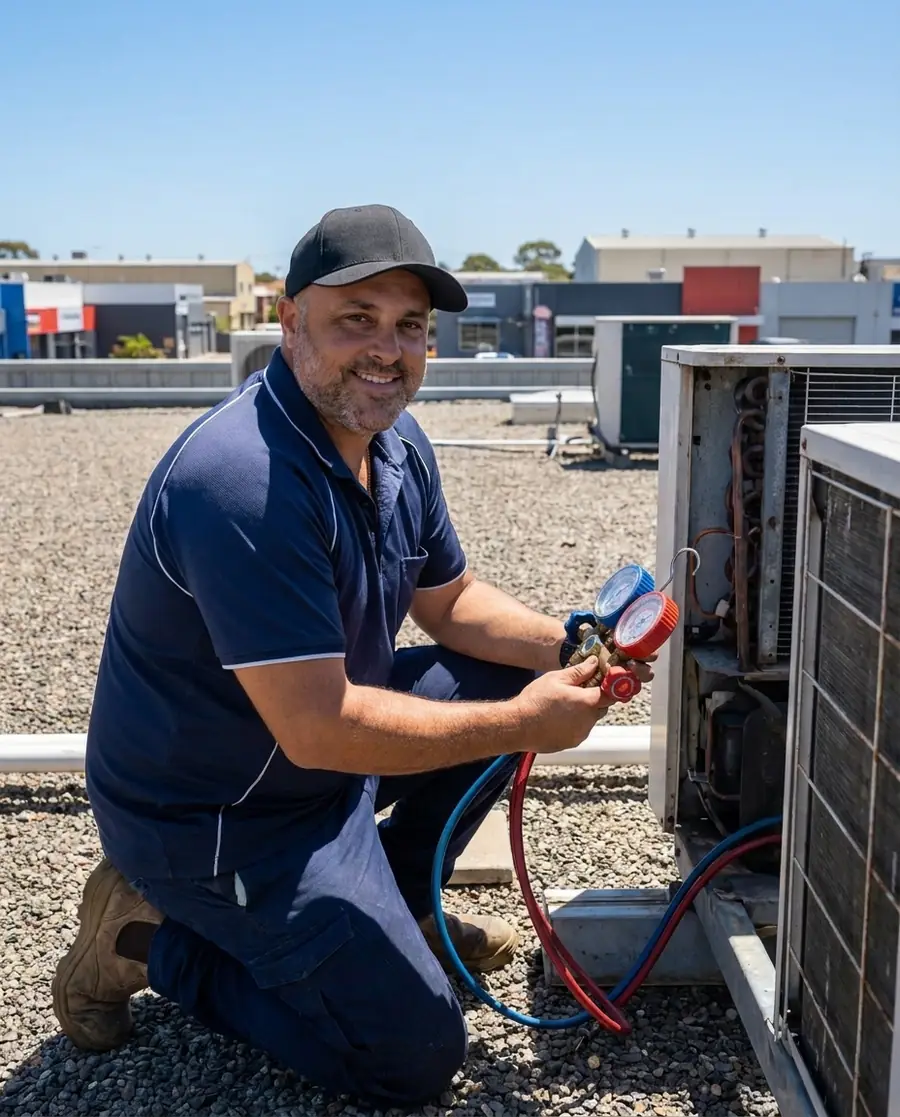
Sam Celesti fixes commercial ice machines for the bars, nightclubs, restaurants, grocers and drinks shops of Northbridge, about 1 km from the Perth CBD. With over 20 years in commercial refrigeration and an ARCtick licence (AU55592), he diagnoses and repairs each machine himself. There is no call centre between you and the technician, and the price is fixed before work starts.
Few suburbs ask as much of their ice machines as Northbridge, and few ask for so many different types of ice within a couple of blocks.
Three kinds of ice in a few blocks
The local angle here is variety. The machines Sam works on in Northbridge tend to fall into three groups, and each fails in its own way.
Cube machines in bars and clubs
Cocktail bars, pubs and nightclubs along William Street, James Street and Lake Street use cube machines, often a modular head on top of a large storage bin. These machines are built for a weekend surge: the bin has to be full when doors open, and the head has to keep refilling it through the night. When scale builds on the evaporator plate, or the water filter clogs, the cubes come out thin and the bin never catches up. Harvest faults are common too, where cubes freeze onto the plate and never drop, leaving the machine stuck in a cycle that makes no ice at all.
Flake machines on seafood counters
Asian grocers and seafood sellers around Chinatown lay fish, prawns and shellfish on beds of flake ice. Flake machines use an auger turning inside a refrigerated cylinder, so the wear points are mechanical: bearings, seals, the gearbox and the auger itself. Scale on the cylinder walls makes the motor work harder and the flakes come out wet and slushy. A noisy grinding sound from a flake machine is worth a call before it seizes.
All-day machines in drinks shops
Northbridge has a strong run of bubble tea, dessert and juice shops, and iced drinks are most of what they sell. Their machines run from lunchtime until late, seven days a week, with almost no rest. That constant cycling pushes a lot of water through the machine, so mineral scale and slime build faster than in a bar that only trades heavily at weekends.
Faults Sam sees most often here
- No ice or slow ice: usually scale, a blocked filter, a faulty water inlet valve or a condenser that cannot shed heat.
- Leaking or overflowing bins: a blocked drain, a cracked water trough or a float valve that sticks open.
- Tripping and noisy condensers: machines squeezed into hot back bars and storerooms where the air never moves.
- Slime and mould: pink or black growth in the bin, on the water curtain or around the trough, which means a full descale and sanitise is due.
Ice that ends up in a drink or on a seafood display is food, so a machine growing slime is a hygiene problem as well as a maintenance one. Sam strips the water circuit, descales and sanitises the parts that touch ice, and replaces filters where they are spent.
Before Sam arrives
- Buy in bagged ice. For a club on a Saturday night or a seafood counter at opening time, a few bags from an ice supplier will carry you until the machine is fixed.
- Check the drain and the water tap. A kinked drain hose or a half-closed tap causes a surprising number of callouts.
- Note what the machine is doing. Is it silent, running without dropping ice, or making a grinding noise? Tell Sam on the phone, as that free assessment narrows down the fault.
Getting a repair booked
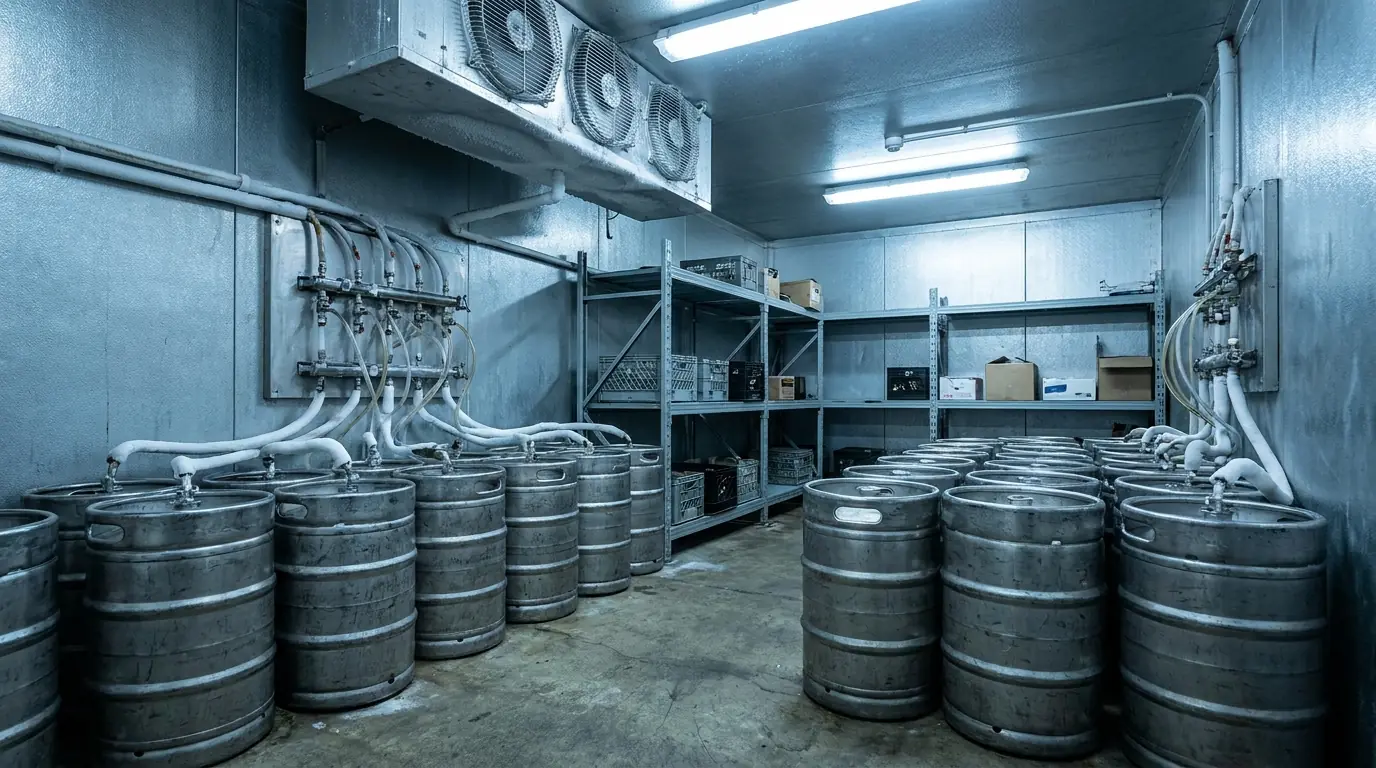
Sam services Manitowoc ice machines among other commercial models, 7 days a week, with breakdowns put first. Read more about commercial ice machine repairs across Perth, or if the keg room is the problem, see Northbridge cool room repairs. Bars that keep losing ice on busy nights should consider regular maintenance visits so descaling and sanitising happen on a quiet weekday.