













Why kitchens blast chill
Cooked food left to cool on a bench or in a cool room spends hours in the range where bacteria multiply fastest. The FSANZ Food Standards Code requires cooked potentially hazardous food to fall from 60 °C to 21 °C within two hours, then to 5 °C within a further four. A blast chiller meets that every time, which is why caterers, cook chill kitchens, aged care and busy restaurants rely on one. It also lets you cook in bulk on a quiet day and serve later in the week.
Reach-in or roll-in
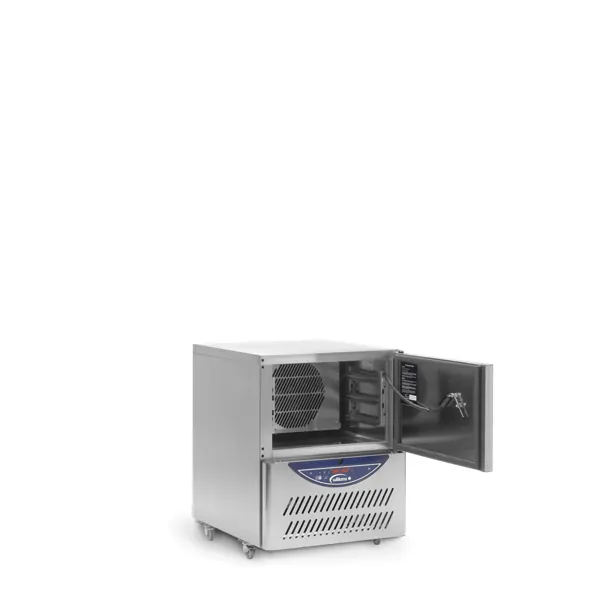
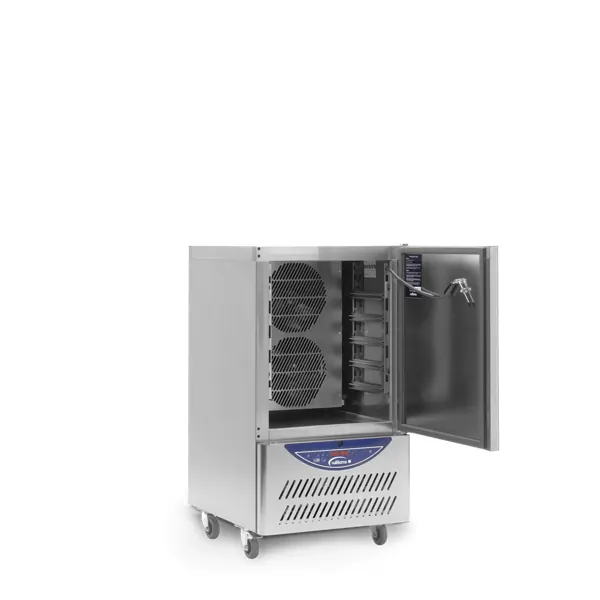
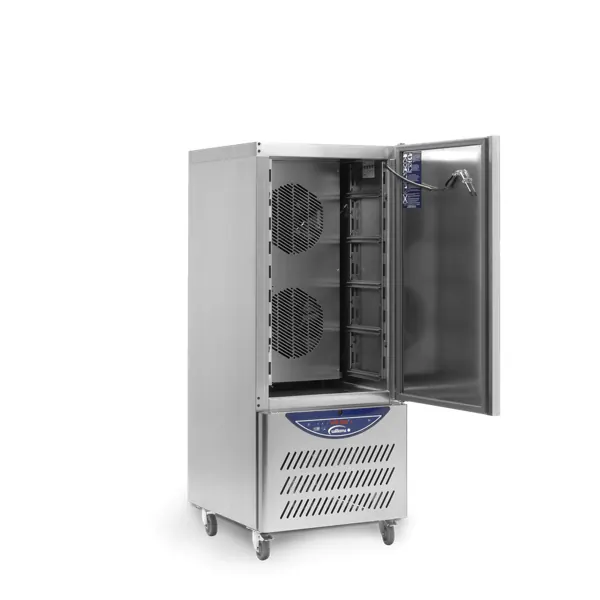
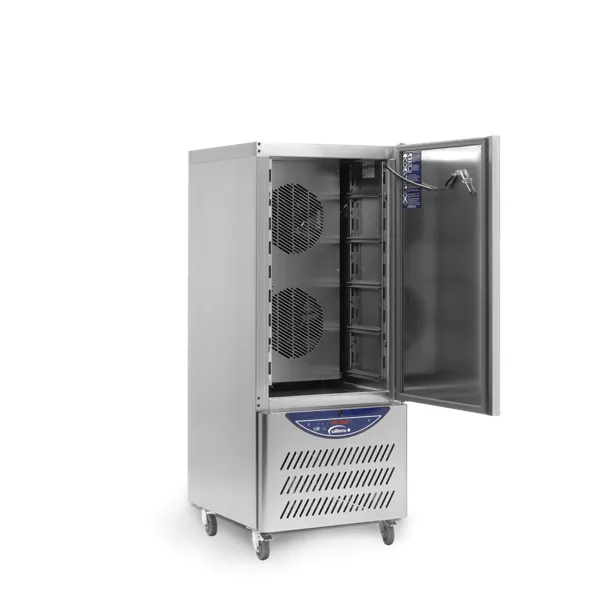
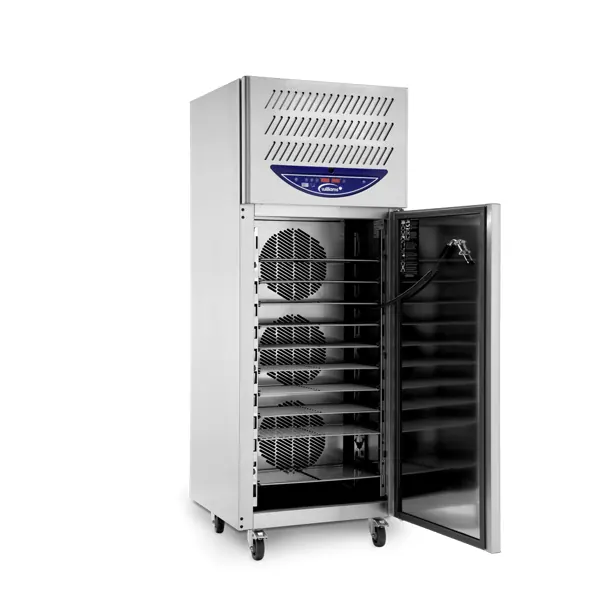
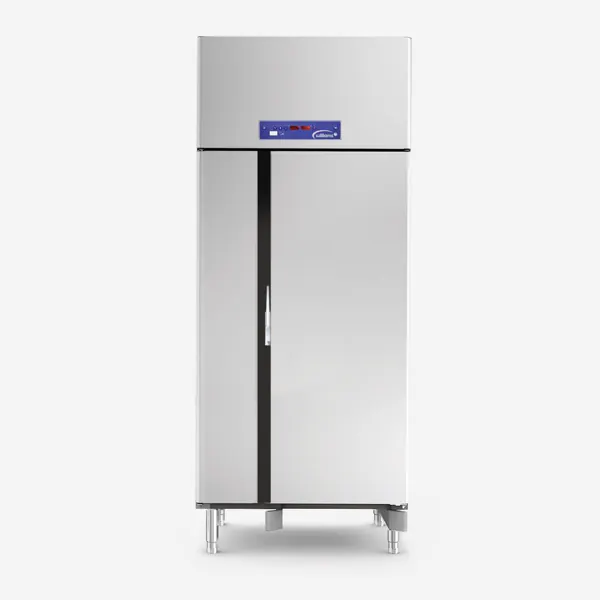
Reach-in blast chiller freezers
Five reach-in WBCF models take loads of 10, 20, 30, 40 and 50 kg. All share a 707 by 804 mm footprint and only the height changes, from 880 mm on the WBCF10 to 1905 mm on the WBCF50. The WBCF30 and WBCF40 are both 1735 mm high, so the 40 kg model gives a bigger batch in exactly the same space. Each one chills or freezes, handy for a kitchen that needs both but has room for only one machine.
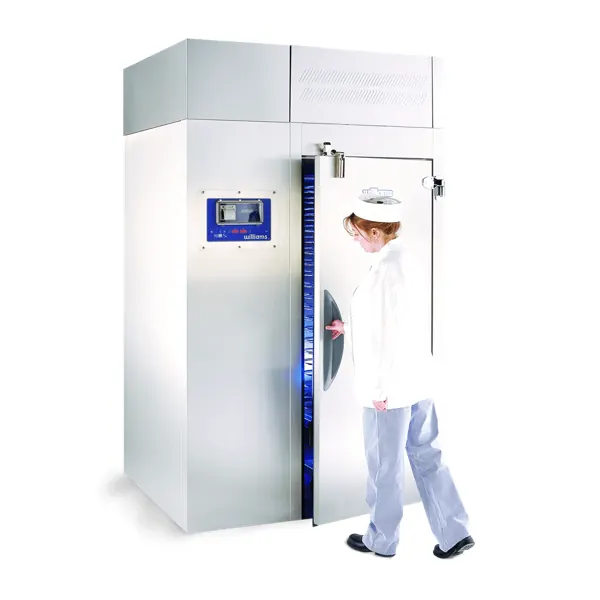
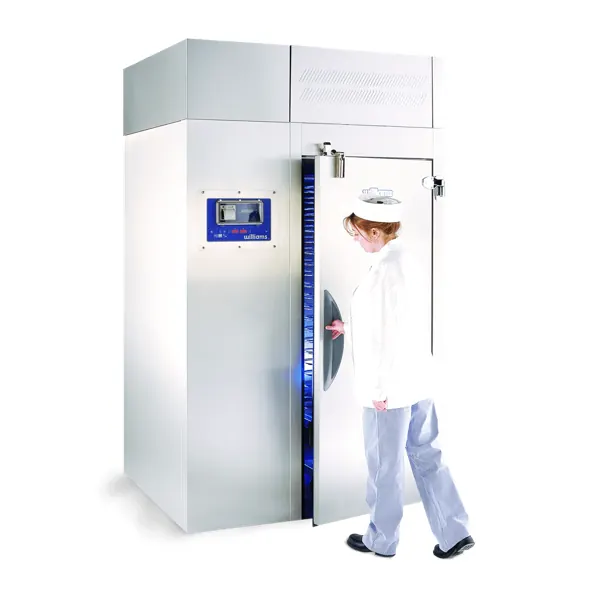
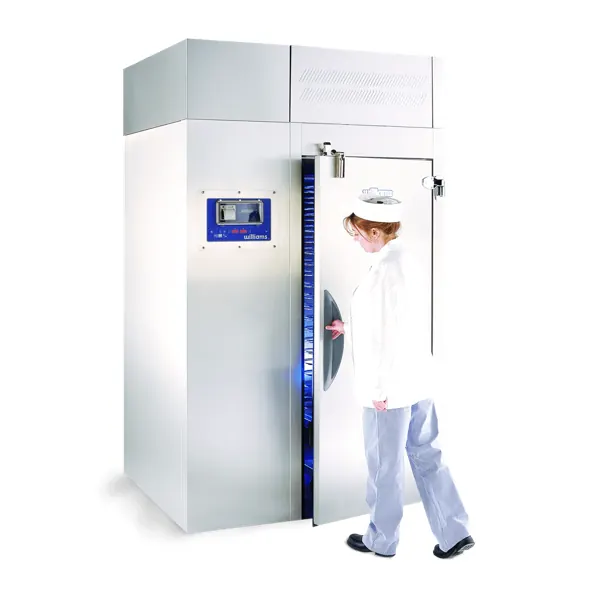
Roll-in blast chillers
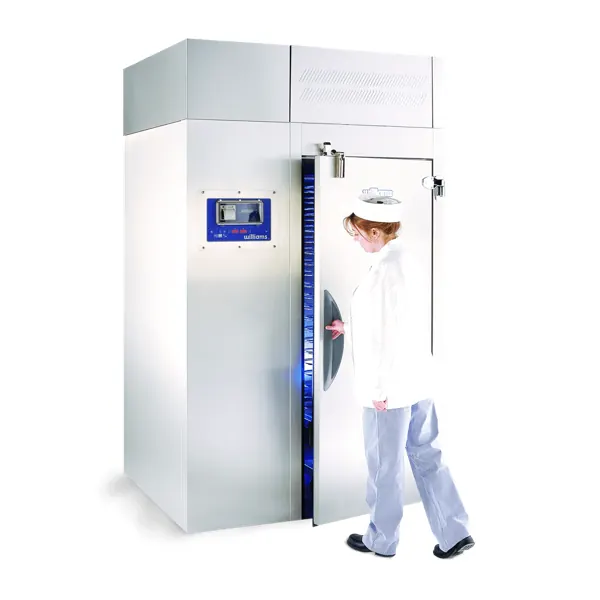
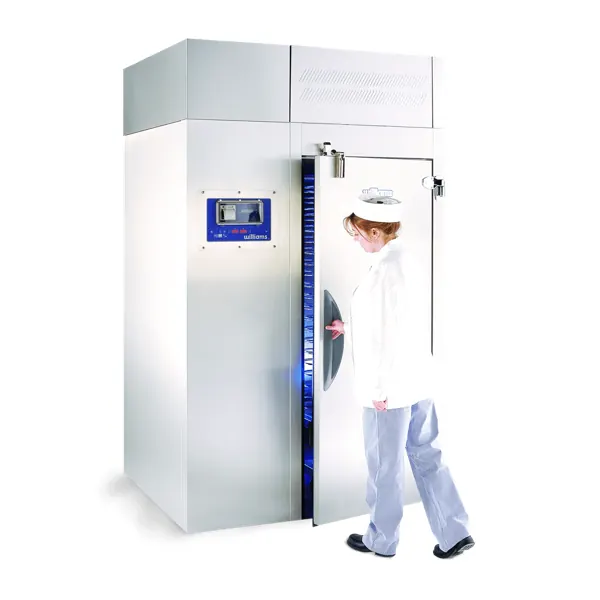
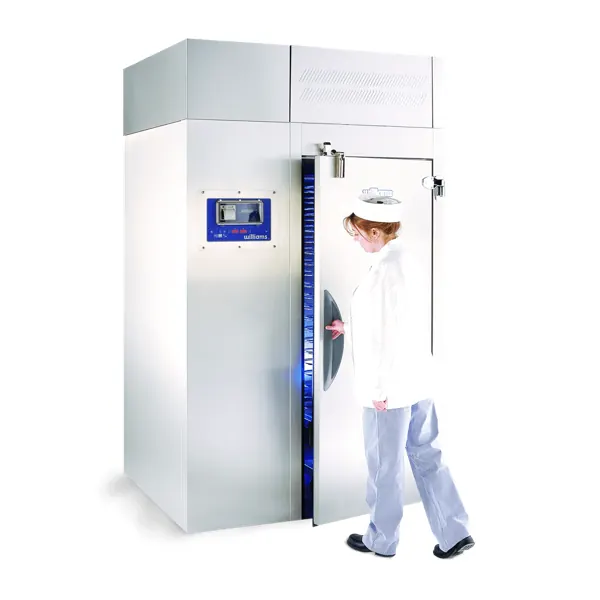
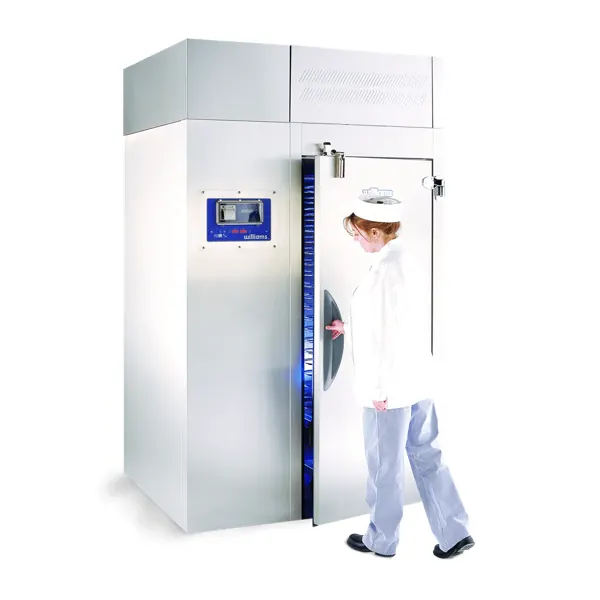
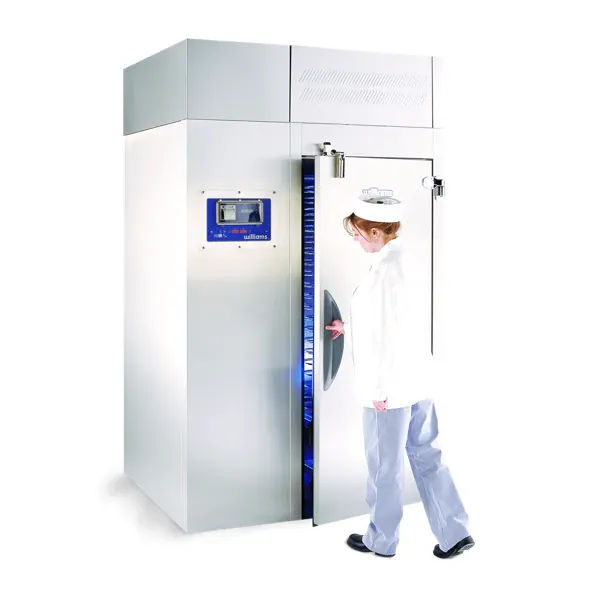
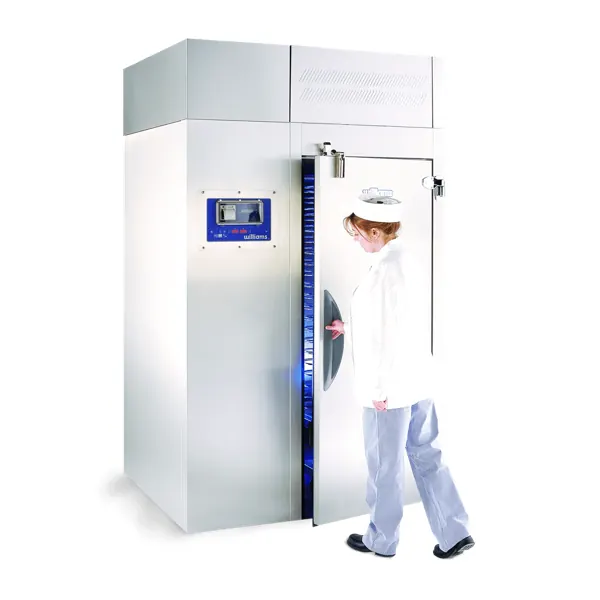
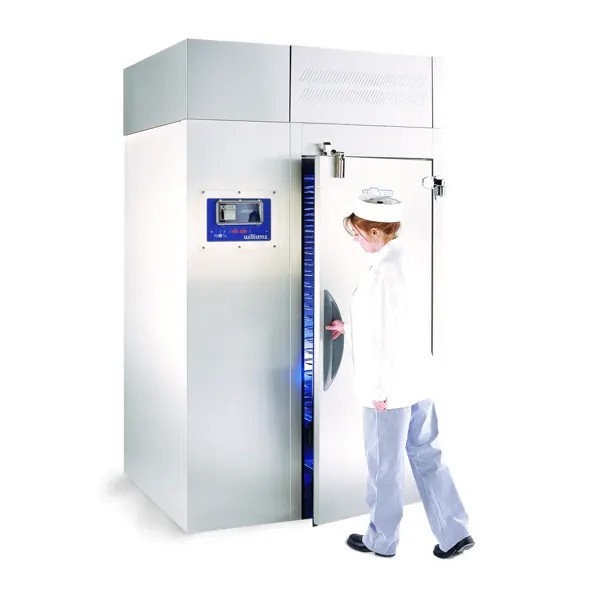
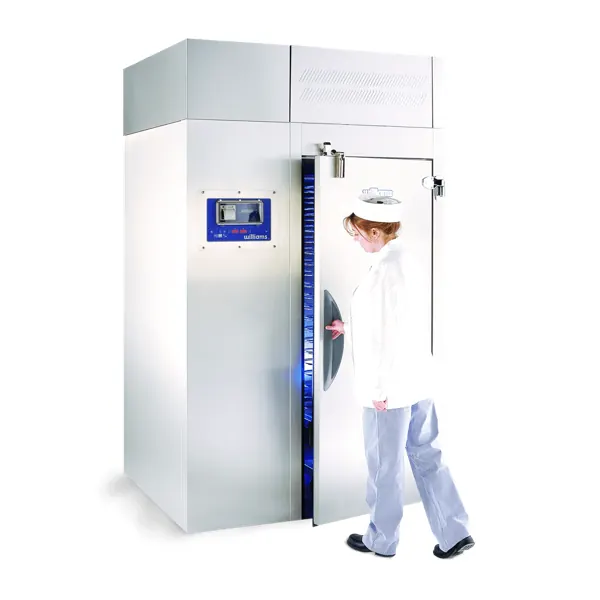
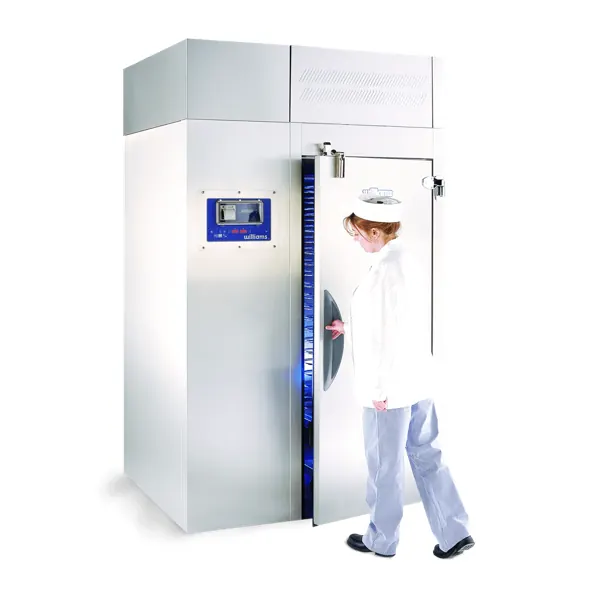
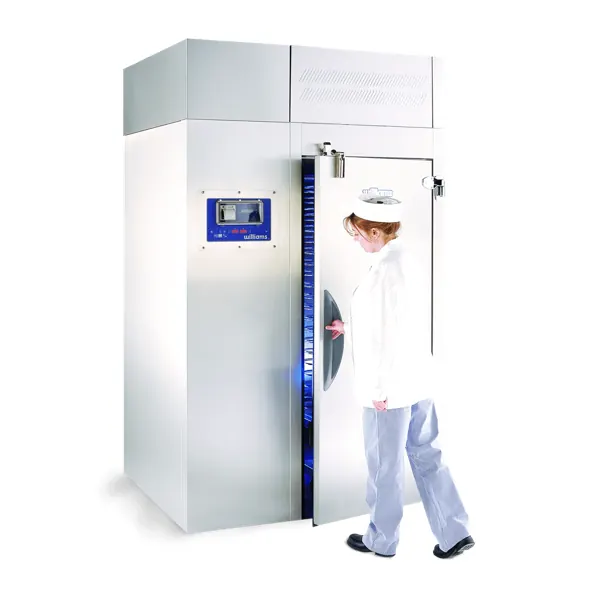
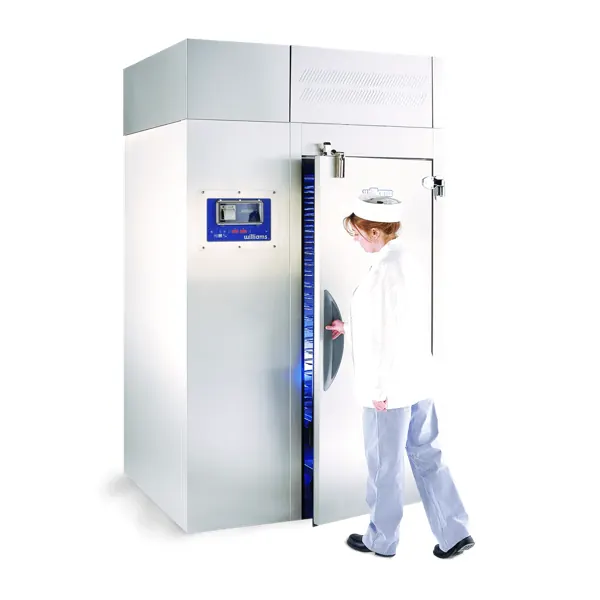
A roll-in unit takes a loaded trolley straight in, so food goes from the oven to the chiller without being moved tray by tray. The smallest is the WTBC70, taking 70 kg in a 990 by 882 mm footprint at 2300 mm high. The WMBC models run from 90 kg to 320 kg. All are 1470 mm wide and 2295 mm high; the 90, 120, 160 and 200 kg models are 1250 mm deep and the 240 and 320 kg models are 2350 mm deep. The six combi versions are 200 mm wider at 1670 mm. Ask Sam which version suits the trolleys you already run.
Roll-in blast freezers
Where you freeze rather than chill, there are four roll-in blast freezers: the WMBF100 and WMBF200 at 100 kg and 200 kg, plus a combi version of each. They stand 2385 mm high, the tallest in this range, so ceiling height matters as much as door width.
Planning the space
- Getting it in. Every roll-in model here is over 2.2 m tall, and the largest are 2350 mm deep. Measure each door, corridor and corner between the loading bay and the kitchen, and the ceiling, before settling on a model.
- Floor. Trolleys need to roll in without catching on a lip, so a roll-in wants a level floor. Raise it with Sam early if the kitchen floor falls towards a floor waste.
- Heat. A blast chiller pulls a lot of heat out of food quickly and has to reject it somewhere. Keep the condenser clear of fryers and ovens, with good airflow, especially through a Perth summer.
- Power. Larger blast chillers draw more current than an ordinary fridge. Confirm the supply with Sam before ordering so an electrician can be booked if a new circuit is needed.
- Batch size. Size the machine to your biggest batch, not your average one. An overloaded chiller will miss the cooling times above.
Supply and installation
Sam delivers and positions the unit, levels it, connects it and runs a test cycle with a food probe to confirm it pulls down properly before handing it over. If an old chiller is being replaced, ask Sam about taking it away. Williams blast chillers can also go by courier if someone else is installing.
Servicing and repairs
A blast chiller that takes longer each cycle usually has a dirty condenser, a tired fan or a refrigerant problem, and every slow cycle puts your food safety records at risk. Sam services and repairs Williams blast chillers and freezers across Perth. Attendance is $75 + GST and labour $180 + GST an hour plus parts, and you get a fixed quote before the repair goes ahead. Read more on commercial refrigeration repairs, maintenance plans and the rest of the Williams range.