













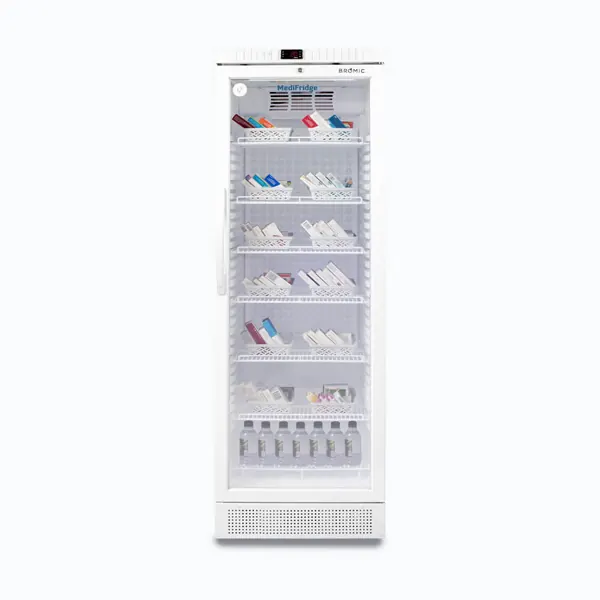
Three vaccine fridges and a data logger
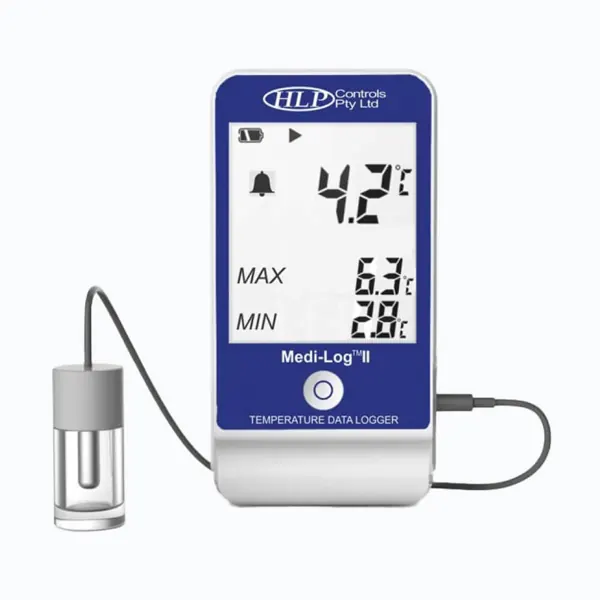
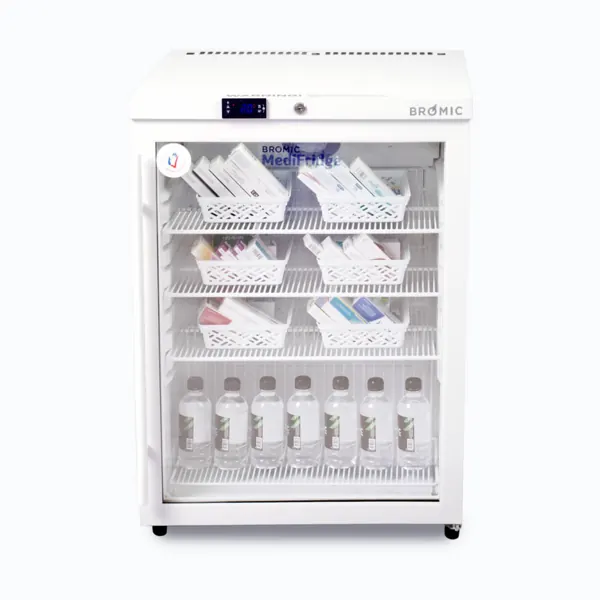
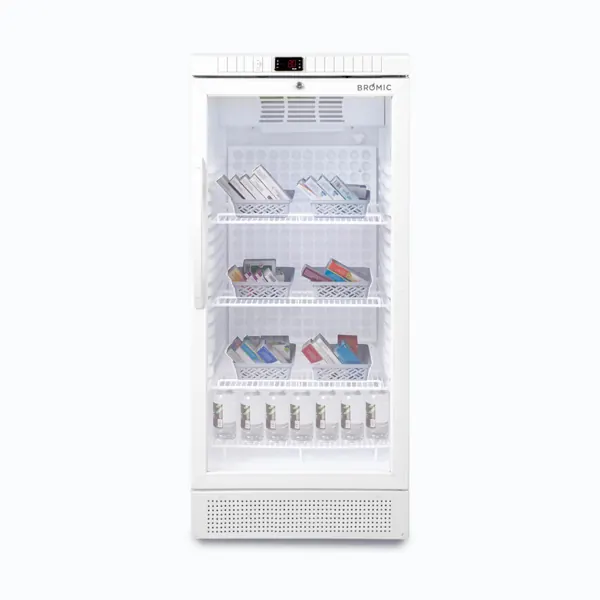
Bromic keeps its medical range short: three single glass door MediFridge models that hold +2 to +8 °C, and the Medi-Log 2 digital data logger. All three fridges are 595 mm wide, so the choice is about height and stock.
- MED0140GD-NR, 145 L. Only 824 mm tall with four shelf tiers, for a dispensary or a small clinic with a modest vaccine list.
- MED0220GD-NR, 215 L. 1,310 mm tall, a middle size for a GP practice with busy flu clinics.
- MED0374GD-NR, 372 L. 1,840 mm tall with six shelf tiers, for a medical centre with several immunisers or stock for more than one program.
For each of the three, Bromic's spec sheet lists a lockable self-closing door, a digital controller, a minimum and maximum temperature recorder, a door alarm and an audible and visual temperature alarm, with fan forced air and automatic defrost.
The storage rules come first
The National Vaccine Storage Guidelines, Strive for 5, ask immunisation providers to keep vaccines between +2 and +8 °C, aiming for +5 °C, inside a purpose-built vaccine refrigerator. Bar fridges, drinks fridges and other commercial units are not acceptable, not even for a day. Before ordering, hold the spec sheet up against the minimum features the guidelines set out; whether a unit fits your program is for your practice and the health department to confirm. Our page on medical and pharmacy refrigeration explains the guidelines and cold chain breaches.
What to check before you order
Room temperature. Bromic rates all three fridges for a room of up to 32 °C (climate class 4M2). A Perth treatment room that loses its air conditioning on a 40 °C afternoon can pass that easily, so put the fridge somewhere cooled all year, out of direct sun and off an external wall.
Door clearance. The door swings out 590 mm, and Bromic gives the total depth with the door open as 1,190 mm. Measure that against the bed and the path staff walk.
Height and access. The 145 L model is short enough for some under-bench spaces, provided air can still move around it. The 372 L model stands 1,840 mm tall and weighs 81 kg, so check doorways and tight turns on the way in.
Power. Each fridge comes with a standard 10 A plug. Give it a dedicated outlet rather than a power board, because a breaker that trips at 9 pm is a cold chain breach by morning.
Monitoring. The guidelines ask staff to record current, minimum and maximum temperatures twice a day and review logger data at least weekly. Ask Sam whether the Medi-Log 2 suits the way your practice keeps records.
Installed, checked and left running
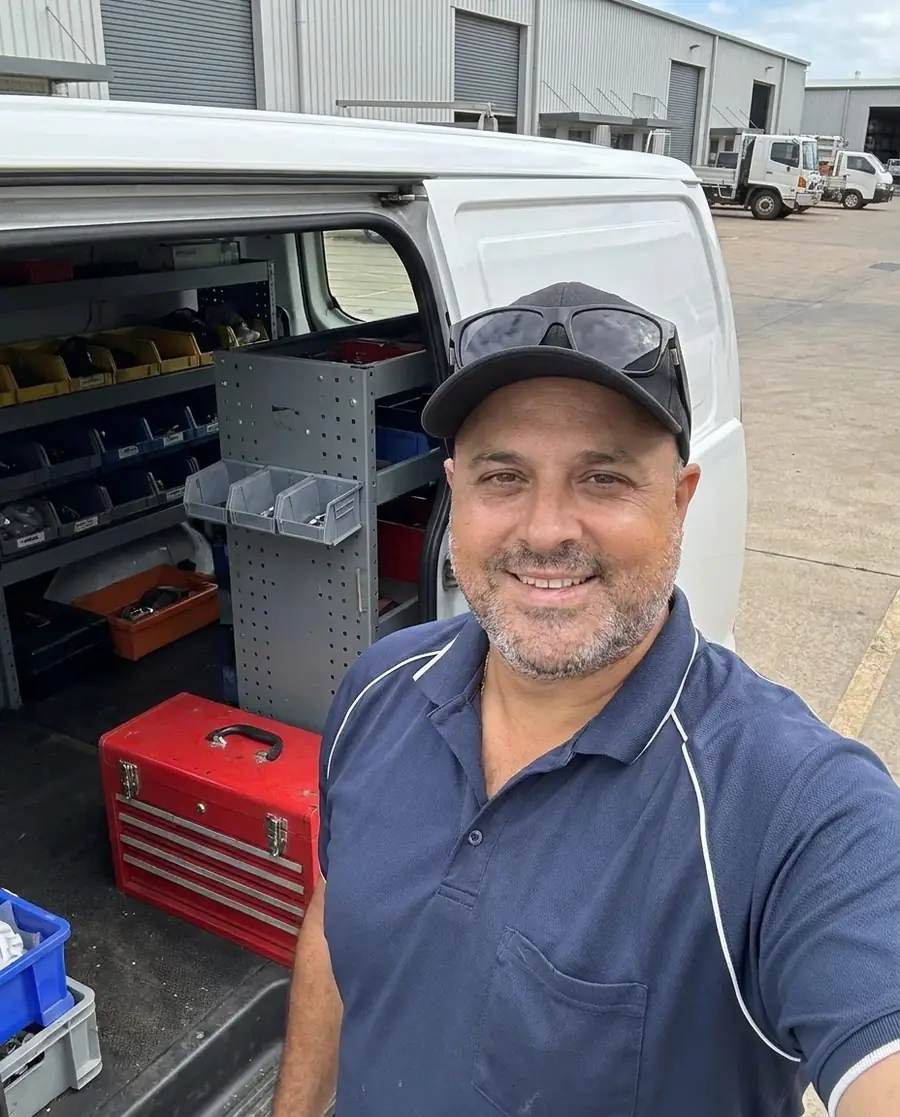
Sam delivers the fridge, sets it where it gets the airflow it needs and levels it so the self-closing door seals every time, then confirms it is sitting in range before he goes. The guidelines want a vaccine fridge watched for 48 hours after a failure, service or outage before vaccines go back in, and a new unit deserves the same settling time, so plan the changeover. Ask Sam about removing an old fridge. If you only need the unit, it can go by courier instead.
Annual servicing and repairs
Strive for 5 expects a purpose-built vaccine fridge to be serviced every 12 months, with the records kept. Sam services and repairs Bromic medical fridges: he cleans the condenser, checks the door seal, fans and controller, confirms the alarms respond, and leaves a written record for the fridge's logbook. If a fault looks like warranty work, he will tell you whether it should go back to Bromic first. Repair visits cost $75 + GST to attend and $180 + GST an hour plus parts, with a fixed price once he has diagnosed the fault. See scheduled servicing and maintenance, or the full Bromic refrigeration range.